Showing posts with label gods. Show all posts

Saturday, October 19, 2024

The Cold War of The Gods (A Fantasy RPG Setup)

If you've been playing TTRPGs for long enough, there is a question you've no doubt come across several times in your career; why us? Whether it's a group of no-account drunks and thugs being asked to save a kingdom from the depradations of a lich lord, or some relative nobodies being given the task to close a hell rift, it can often feel disporportionate. After all, there are real heroes in the setting who have powers and abilities far beyond our simple level 3 party... why aren't you asking them to do it?

Or, the one that gets a lot of us in trouble, why aren't the gods handling these problems? Whether it's demons leaking through a breach in the abyss, or malignant forces belched forth from the darkness between the stars, where are the gods in this whole setup? Why do mortals have to fight these battles?

And that is where the idea of the Cold War of The Gods comes in. I found this on TikTok from Nobody Important, link to the original video is here.
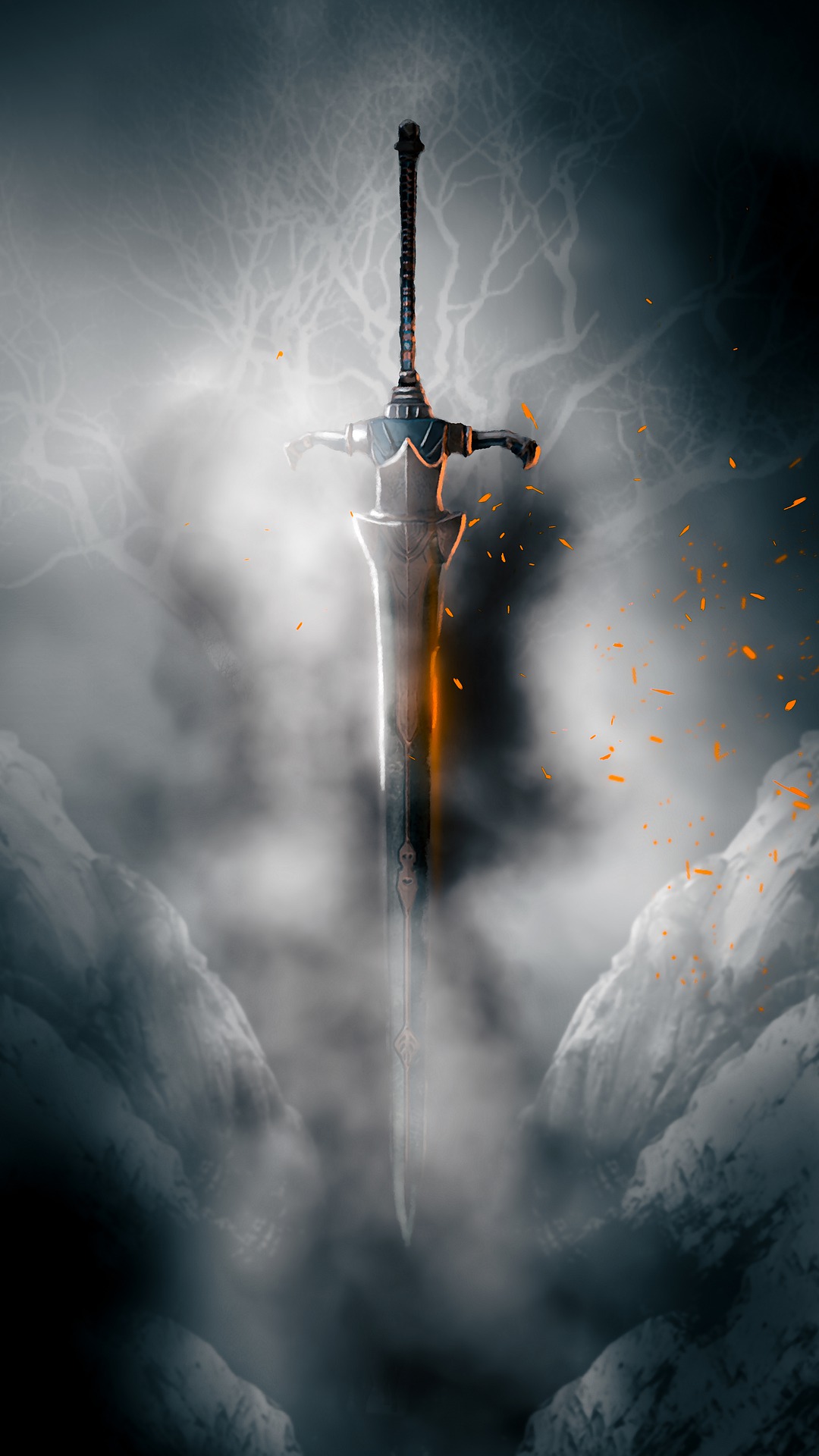
Take this, and do what needs to be done.

As always, don't forget to sign up for my weekly newsletter to get all my updates right in your inbox. Also, if you've got a bit of spare cash that you'd like to use to help keep the wheels turning, consider becoming a Patreon patron! Also, be sure you're following all of my followables, check out my LinkTree.

Lastly, for hundreds of extra articles on gaming, weird history, and for more free fiction, check out my Vocal archive, too!

Proxy Wars in Your Setting


For those whose history books didn't cover the topic, I'm going to lay out a few generalities of the Cold War.

So, during the heights of the twin superpowers of the USSR and the USA, tensions were running very high. These two nations both had massive nuclear arsenals, huge armies, and they weren't shy about using them... however, both sides understood that open war with everything they had was a losing proposal. This would lead to Mutually Assured Destruction, or MAD for short. And what was the point of fighting a war that would literally destroy everything and everyone?

Not much, since you ask.

The result of this was that both nations (and to some extent their allies) entered into proxy wars. They would offer arms, training, funding, and backing to a force they didn't directly control, and which was going to take actions they approved of. One of the most famous, of course, was the U.S. training the mujahideen fighters who would act as guerrilla forces against Soviet-held targets and interests. This would, of course, bite the U.S. when the very forces they trained turned on them because their interests no longer aligned (this will become important later). However, the point was that while both sides of the Cold War were engaged in spycraft, building up proxies and influence, etc., they could not take direct, overt action against one another without setting off the powder keg.

You can take this same setup, and apply it to the worldbuilding for your game.

Perhaps, in the long ago, the gods warred on the world. This incident may have been an apocalyptic event, nearly destroying everything. This would, naturally, have led to the sides who wanted to rule (not just destroy) the world to withdrawing, each menacing the other to keep them off the material plane as much as possible. They would build influence through religions, through selecting personal agents in the form of clerics, paladins, oracles, witches, and warlocks. They may even influence others, sending their lesser servants to act as guides and backers, ensuring that those who may not really be invested in one side or the other can still act in service to one of the great powers who is jockeying for position on the board.

How You Can Use This Setup


If you choose to put this setup in place, it provides you a great deal of interesting leeway when it comes to your plot, and the position of your party in the Great Game. If you need a convenient way to give out loot, divine intervention could literally lead your party to find items that are far greater than they should normally have (as in the TikTok example above with the holy avenger), which might lead to them asking what they need such items to do? It might lead your party, no matter how small they are in level, being used to fight in a series of proxy actions that seem unconnected, but when viewed from a divine perspective are all parts of a great whole. You could even use this setup to create antagonists, such as proxies who once fought for a given divine power, but who have now turned their backs to fight against that same divine power, once their initial enemies were overcome (told you to remember the mujahideen).

As the Game Master, you can choose to make this the blatant setup of your campaign, with the PCs playing a role in the ongoing divine power struggle for dominance and influence. Or you can choose to leave that running in the background, only occasionally cropping up to intersect with the adventures your PCs are currently on. Which one you choose is up to you!

However, if you're looking for some extra inspiration, consider checking out some of the following:

- Keeping Gods Mysterious Maintains Their Mystique In Your Game: A simple collection of advice for making sure the divine stay beyond the common experience of mortals.

- Gods of Sundara (Pathfinder and DND 5E): The unique setup for gods in my Sundara: Dawn of a New Age setting may be of interest for folks who are looking for a Cold War style setup.

- 100 Random Oracular Pronouncements: The gods often speak through oracles, but if you need unique pronouncements to drive the PCs in a particular direction, this may be of some assistance.

Also, if you need a little advice for keeping the cloak and dagger in the divine, check out the video I made about this very topic below!


Like, Follow, and Stay in Touch!


That's all for this week's Fluff post. To stay on top of all my content and releases, make sure you subscribe to my newsletter at the bottom of the page!

Again, for more of my work, check out my Vocal archive, and stop by the Azukail Games YouTube channel, or my Rumble channel The Literary Mercenary! Or if you'd prefer to read some of my books, like my dystopian sci-fi thriller Old Soldiers, my hardboiled gangland noir series starring a bruiser of a Maine Coon with Marked Territory and Painted Cats, my sword and sorcery novel Crier's Knife or my latest short story collection The Rejects, then head over to My Amazon Author Page!

To stay on top of all my latest releases, follow me on FacebookTumblrTwitter, and now Pinterest as well! To support my work, consider Buying Me a Ko-Fi, or heading to The Literary Mercenary's Patreon page to become a regular, monthly patron. That one helps ensure you get more Improved Initiative, and it means you'll get my regular, monthly giveaways as a bonus!

Saturday, August 10, 2024

Divine Fighting Technique: An Often-Overlooked Pathfinder Feat

Feats are a contentious topic among Pathfinder players, and this is particularly true when we're talking about the first edition of the game. Because for some players they represented a buffet of blocks to build their own, unique characters from, and for other players they were a confusing slog that simply added more moving parts to an already complicated game. However, with that said, there is one feat that I don't think gets enough love, simply because of how wild it is... Divine Fighting Technique, which was first found in the Pathfinder Player Companion: Weapon Master's Handbook, and which was expanded on in the Pathfinder Player Companion: Divine Anthology.

And if you haven't gotten your own copy, you should consider checking it out!

Before we get into the nitty gritty this week, don't forget to sign up for my weekly newsletter to get all my updates right in your inbox. Also, if you've got a bit of spare cash that you'd like to use to help keep the wheels turning, consider becoming a Patreon patron! Also, be sure you're following all of my followables, check out my LinkTree.

Lastly, for hundreds of extra articles on gaming, weird history, and for more free fiction, check out my Vocal archive, too!

What This Feat Is, And What It Does


Divine Fighting Technique is a feat with a lot of moving parts. However, what it does is that it creates a different benefit for every deity listed in the feat. It doesn't hit every deity in Golarion, but it touches on most of the big names. And when you take this feat, it represents you learning the unique fighting style practiced by the faithful when wielding the deity's chosen weapon, allowing you to do unusual things that other warriors won't be able to match.

The scimitar option is particularly fun!

Now, as I said, this feat is keyed to a particular deity, and each of them have their own set of prerequisites... but they also have secondary effects if you meet a secondary set of prerequisites, unlocking additional benefits of this feat.

I'll give you an example.

If you take Way of The Merciful, associated with Sarenrae, this allows you to deal non-lethal damage with a scimitar, as well as making any additional damage the strike deals (say from weapon enchantments, sneak attack, etc.) non-lethal as well. The kicker, though, is that you can deal non-lethal damage with any spell with the fire, light, or good descriptor which... is something that can drastically change the strategies you use in games where you may want to capture and interrogate enemies instead of outright killing them. Or when you want to put down a riot with a fireball that is unlikely to actually kill anyone (a huge deal in and of itself).

However, that is merely the initial benefit of this particular Divine Fighting Technique. If you also have Weapon Focus (scimitar), Great Fortitude, and 10 ranks of Heal you unlock the second ability, which allows you to heal yourself once per round. If you deal non-lethal damage to a foe with a weapon, you heal 1d6 hit points. If you deal this non-lethal damage with a scimitar, you heal 2d6 damage instead. Which has a bit of a hefty cost, but is certainly a neat benefit... especially if you're planning on playing any kind of dervish dancer who gets into melee and lays about them with their weapon!

Now, different gods have different rules for unlocking their primary and secondary features. For example, Erastil's Way of The Distracting Shot can be chosen by a lawful good ranger as one of their style feats if they choose Archery Style. Not only that, but they could forego the prerequisites for the second feature (normally Point Blank Shot, Precise Shot, Divine Fighting Technique, BAB of 10, and Dexterity of 17) if they replace the feat granted by their combat style at level 10. We also see this for bards with Desna's Way of The Shooting Star, or with Irori's Way of The Perfected Fist for monks and brawlers... but not all gods show such favoritism. Some require you to do things the hard way.

Which of These Feats Are The Best?


While it has a single write-up, Divine Fighting Technique has a lot of options and moving parts, such as some requiring worship of a particular deity, and other just requiring a certain alignment... but of the options presented, which ones are worth pursuing, and which ones are just dead ends?

Well, as with all other recommendations I make, take this list with a grain of salt. Because while some of these are worth investing in, just because I think the price of entry is too steep for others, that doesn't mean there isn't a build out there that will benefit from them. But if I don't mention them in the list below, assume that I don't think they're a great investment of your limited resources.

Okay? Okay.

Now let's get into it!

Top of the list for me is Way of The Merciful. The ability to do non-lethal damage with spells (especially some particularly damaging spells if you're used to fire-based clerics, sorcerers, wizards, etc.) is a huge boon for those who want to do non-lethal runs, or who want to be able to let-loose with spells that are normally not something you set off in urban environments unless you're looking to actively be charged with war crimes.

With that said, there are other options that still have really good uses that are worth pursuing.

Way of Hunger is a particularly nasty option, and a fun little power for all the scythe-wielders out there who need to grab all the temporary hit points they can get (especially with that x4 crit modifier on the scythe). The higher level unlock, which can make the diseases inside of a target manifest, has a significantly narrower application, though. Generally speaking, I'd argue that antipaladins with their plague bearer ability, and clerics and warpriests who can manifest diseaes in targets, will be the ones to get the most out of this secondary power.

And it's really evil, so it's not something that every group will take a shine to.

Way of The Silent Shiv at first allows you to deal damage as if you were a size category larger against opponents unaware of you, but the higher level unlock allows you to make a Stealth check as a swift action to treat a single target as unaware of you for the purposes of all your class features and abilities (if you beat their CMD by 5 or more, that is). That's a stiff challenge, but it is a godsend to rogues, assassins, ninjas, slayers, and even vigilantes who might rely on a maxed-out Stealth skill. So if you can really boost those numbers, and you want to be treated as having a target who's unaware of you every round (which can be hard at higher levels where enemies get see invisibility, scent, and other abilities that can give Stealth-based killers a run for their money, definitely invest in this one.

Again, it's an evil flavor, so make sure the group is willing to tolerate Norgorber's followers doing what they do best.

Flensing Chain is a nasty piece of work, particularly since it is difficult to get much out of the spiked chain as a weapon. If you're playing a full BAB character who worships Zon Kuthon (as Nidal has its share of fighters and barbarians), or even a warpriest who can pick up this weapon and focus on it via their class features, then the ability to leave an enemy first sickened, and then nauseated, can be a devastating debuff... especially if you, yourself, become immune to the sickened condition.

See previous notes regarding evil characters and the fighting styles of evil gods.

Lest you think all the evil gods get the good powers, the Inspiring Sword technique associated with Iomedae is great for paladins (who can swap additional mercies for both the initial feat, and its later unlock). The first ability, which lets you grant allies within 30 feet who can see and hear you a +2 sacred bonus on attacks, skill checks, and saving throws for 1 round + 1 bonus round per 5 points of BAB you have isn't bad (especially if you can't reach the enemy, so you may as well boost your allies using a bonus type that won't interfere with the bard). The later unlock, which allows you to use a standard action to hit a foe with a longsword (or to use the ability as part of a charge) grants the same bonus to all allies who see you.

While you can go through the rigamarole of giving this to other martial classes, I'd say that fighters are the only ones who will really have the feats to spare (and even then, they pay more than a paladin does for a useful, but not crucial, boost).

Greatsword Battler is good for all followers of Gorum who are going to invest in the Vital Strike tree. While barbarians can exchange a Rage Power for the feat, fighters, slayers, rangers, and any other melee bruiser who will be charging into battle with a greatsword while using Vital Strike are going to get the most out of this fighting style. The later unlock isn't great, but the lower-level ability basically allows you to do what so many of us who use Vital Strike with oversized weapons have always wanted to do, and use it as part of a charge.

Lastly, Divine Crossbow is fun and stylish, but there are so many other options for ranged disarm and steal that it isn't really the best strategy for achieving this method of shooting items off of your opponent... however, the ability to carry items a range increment away from them is both stylish and effective if you want to strip your enemy of their magic items, wands, spellbook, etc., and put them too far out of reach to easily reacquire. Which is something that makes it at least worth mentioning, even if the later ability it grants of pinning enemies in place with crossbow bolts is replicated in other feats and class features.

Like, Follow, and Stay in Touch!


That's all for this week's Crunch post. To stay on top of all my content and releases, make sure you subscribe to my newsletter at the bottom of the page!

Again, for more of my work, check out my Vocal archive, and stop by the Azukail Games YouTube channel, or my Rumble channel The Literary Mercenary! Or if you'd prefer to read some of my books, like my dystopian sci-fi thriller Old Soldiers, my hardboiled gangland noir series starring a bruiser of a Maine Coon with Marked Territory and Painted Cats, my sword and sorcery novel Crier's Knife or my latest short story collection The Rejects, then head over to My Amazon Author Page!

To stay on top of all my latest releases, follow me on FacebookTumblrTwitter, and now Pinterest as well! To support my work, consider Buying Me a Ko-Fi, or heading to The Literary Mercenary's Patreon page to become a regular, monthly patron. That one helps ensure you get more Improved Initiative, and it means you'll get my regular, monthly giveaways as a bonus!

Monday, April 18, 2022

What Do You Want To See Next in "Sundara: Dawn of a New Age"?

Regular readers know that since 2021 I've been releasing content for my own fantasy RPG setting Sundara: Dawn of a New Age. This setting is available both for Pathfinder Classic, as well as for Dungeons and Dragons 5th Edition, and my goal with it was to upend a lot of the old stereotypes and conventions that come with fantasy RPGs, but without throwing the baby out with the bath water.

While I covered some of this in my blog What is "Sundara: Dawn of a New Age" All About?, the short version is that I wanted to make a game setting that tossed out monolithic aspects by adding more organic details, and which focused more on embracing new solutions and ways of doing things instead of feeling like it was constantly trying to re-capture some lost, mythic golden age.

Some of the things I've already done include:

- Removing alignment entirely.
- Making the gods more mysterious, and variable.
- Expanded non-human species so they are just as (if not more) varied than humans.
- Removed the concept of countries as we know them today, making power structures more varied.
- Added a bunch of weird guilds, technologies, and uses of magic across the setting.

Stuff is getting strange as the setting spreads out.

While I have plenty of ideas that I could spin up going forward, I wanted to take this week's Monday update to ask what you, the readers, would like to see?

Before we get into it this week, don't forget to sign up for my weekly newsletter to get all my updates right in your inbox. Also, if you've got a bit of spare cash that you'd like to use to help keep the wheels turning, consider becoming a Patreon patron!

Lastly, to be sure you're following all of my followables, check out my LinkTree!

What Would Get You More Interested in The Setting?


When I started this series off it began with Cities of Sundara, providing guides for places like Ironfire: City of Steel and Moüd: City of Bones. After I'd established several of these locations I put out a guide to how gods and the divine work in the setting (which is a lot less structured and established than in many other settings I've seen, where the mythology we hear is often taken as fact), and then moved on to Species of Sundara where I laid out broader diasporas and cultures for dwarves, elves, gnomes, halflings, orcs, and the Blooded (a combination of so-called half-elves and half-orcs). The most recent release, Sellswords of Sundara, covered famous and infamous mercenary companies, and soon there will be a collection of 10 towns with full details.

My question for you, as a Game Master or a player, is what would you be interested in seeing more of going forward? Not just in a, "This would be neat," sense, but in a, "I would pay money to support that," sense.

It's what makes the wheels turn, after all.

Current possible plans include:

- Expansion of locations in the setting (more town and city guides).
- Expansion of species guides (with more creatures and unique player options for them).
- Campaign modules (so players could actually explore some of the setting in more detail).
- World detail guides (moving on from mercenaries to guilds, cults, and other organizations).

While these aren't the only options, there are two projects that are not currently on the roster, and that's releasing a full-sized setting guide, and releasing a full pre-written campaign. The big reason for this is not because I wouldn't be interested in these things, but because this is a one-man show, and those kinds of projects take a lot of time to put together. So, generally speaking, anything that can't be completed in 1-2 months isn't feasible with the audience size Sundara currently commands. If audience demand grows then those things might be possible down the line, but not for the immediate future.

Which is, incidentally, the main reason so much of this content is designed to slot into homebrew games as well. Because if you just want one or two aspects, you can pluck them out of the setting without requiring a bunch of strings to come with it.

Well, most of the time, at least.

Also, for added clarity, I am not the publisher for this setting. I'm just the writer; Azukail Games is the one who's putting out all these splats. So I'm not just asking you what folks would like to see going forward because I want to sell more copies (though that is part of it). It's also because I need to be able to show growing interest in the setting, and to create a track record of positive sales, in order to get further books approved for writing and release.

So tell me what you want to see! Leave a comment below, or reach out to me on social media, but my ears are open for what would get more folks interested in checking out this setting as I add on to it.

Lastly, if you're not familiar with the releases to-date, I've linked them all below with a general description for you. And if you do choose to check them out, I hope they surpass expectation! Don't forget to stop by the Azukail Games YouTube channel, as well, where I have several videos talking about Sundara, the philosophy behind it, and covering some of what I'm trying to do with this particular world. Consider subscribing, as well, as we need to hit 1k followers there, and we haven't even broken 300 yet.


Take a Look For Yourself!


I took a brief break on making new Sundara content at the start of the year, but I'm already back on the wagon! Sellswords of Sundara (available for Pathfinder Classic as well as DND 5E) is full of unique archetypes/subclasses for mercenary companies that come with their own themes, histories, NPCs, rumors, and more, and that should be coming out shortly. Coming soon you'll also have Towns of Sundara, so that folks have some smaller places to put between the cities that are just as interesting and unique in their own ways (and which acts as a good follow up to 10 Fantasy Villages, which kicked this whole project off in the first place).

Cities of Sundara


The setting first began with the Cities of Sundara splats. Self-contained guides to some of the larger and more powerful centers of trade, industry, arms, and magic, these unique locations provide plenty of fodder for character generation and plots. Not only that, but each one comes with unique, mechanical goodies for players and GMs alike to take out for a spin!

- Ironfire: The City of Steel (Pathfinder and DND 5E): Built around the Dragon Forge, Ironfire is where the secret to dragon steel was first cracked. The center of the mercenary trade in the region, as well as boasting some of the finest schools for teaching practical sciences, Ironfire is a place where discovery and danger walk hand in hand!

- Moüd: The City of Bones (Pathfinder and DND 5E): An ancient center of trade and magic, Moüd was lost to a cataclysm, and then buried in myth. Reclaimed by the necromantic arts of the Silver Wraiths guild, this city has once again become a place teeming with life. Despite the burgeoning population, though, it is the continued presence of the undead that helps keep the city running, ensuring that Moüd is not swallowed up once more.

- Silkgift: The City of Sails (Pathfinder and DND 5E): Built on the cottage industry of Archer cloth (an extremely durable material used for sails, windmills, etc.), Silkgift is a place that prizes invention and discovery. From gravity batteries that store the potential of the wind, to unique irrigation systems, to aether weapons, the city positively churns out discoveries... and then there's the canal they cut through the mountains that makes them a major center of trade across the region.

- Hoardreach: The City of Wyrms (Pathfinder and DND 5E): A center of power across an entire region, Hoardreach is ruled over by a Cooperation of five different dragons. A place for refugees and outcasts of all sorts, Hoardreach boasts some of the most unusual citizens and creations from across Sundara. Infamous for their sky ships, which require the cast-off scales and unique arcane sciences of the Dragon Works to take to the air, one never knows just what they'll find in this city built atop a mountain.

- Archbliss: The City of The Sorcerers (Pathfinder and DND 5E): A floating city in the sky, Archbliss has been a refuge for sorcerers for thousands of years. It's only in relatively recent years that the city has allowed those from the ground below who lack the power of a bloodline to join them in the clouds. However, while there are certainly amazing wonders to behold, there is a darkness in Archbliss. Something rotting away at its heart that could, if not healed, bring the city crashing to the ground once more.

Gods of Sundara


Gods of Sundara (available for Pathfinder and DND 5E): In a world with no alignment, and where the gods are often genuinely mysterious forces that are far too large for mortals to truly comprehend, the divine feels genuinely strange and unknown... something that really does have to be taken on faith. This supplement provides a sample pantheon for Sundara, but also provides instructions on how to easily make your own gods in a world where you can't cast a spell and tell whether someone is good or evil.

Species of Sundara


Sundara is filled with creatures that many of us recognize, but I wanted to give greater depth to their cultures, and a wider variety of options. After all, humans always get 15+ ethnicities, languages, and unique histories, while elves, dwarves, orcs, halflings, etc. are almost always left with footnotes, or maybe with a handful of offshoots. So, in short, I wanted to give all the fantastical creatures the treatment that humans usually get in our games.

And there is no human book yet. If readers demand to know more, then I may sit down to pen one... but I figured that humans didn't need to be front-and-center in this setting just yet.

- Elves of Sundara (Pathfinder and DND 5E): Elves are one of the most quintessential fantasy creatures... but if you want to see more than just high elves, wood elves, and elves of the sun and moon, then this supplement has you covered!

- Dwarves of Sundara (Pathfinder and DND 5E): The children of the primordial giants who were meant to fill in the details of the world they'd made (or so the myths say) there are as many kinds of dwarves as their are kinds of giants... and possibly more, depending on who is keeping count.

- Orcs of Sundara (Pathfinder and DND 5E): Supposedly a creation of the elves, none can say for certain exactly how or why orcs have been made. What most agree on is that these creatures are far more than most may think at first glance.

- Halflings of Sundara (Pathfinder and DND 5E): Little cousins to the dwarves, halflings are tough, clever, and not to be underestimated. From living beneath the hills, to taking up residence in the deep forests, halflings in Sundara come in quite a variety!

- The Blooded (Half-Elves and Half-Orcs) [Pathfinder and DND 5E]: When orcs and elves mix their bloodlines with other creatures, the result is one of the Blooded. This inheritance takes many forms, and it can even wait generations before manifesting when the right combination of individuals come together to have a child.

- Gnomes of Sundara (Pathfinder and DND 5E): Gnomes are strange creatures, found in places where the spirit of the land has coalesced and made children of its own. The sons and daughters of the ancient nymphs, they are the stewards of these places, and they change as often as the weather and the land.

Like, Follow, and Stay in Touch!


That's all for this week's Moon Pope Monday. To stay on top of all my content and releases, make sure you subscribe to my newsletter at the bottom of the page!

Again, for more of my work, check out my Vocal archive, and stop by the YouTube channel Dungeon Keeper Radio. Or if you'd prefer to read some of my books, like my cat noir thriller Marked Territory, its sequel Painted Cats, my sword and sorcery novel Crier's Knife or my latest short story collection The Rejects, then head over to My Amazon Author Page!

To stay on top of all my latest releases, follow me on FacebookTumblrTwitter, and now Pinterest as well! To support my work, consider Buying Me a Ko-Fi, or heading to The Literary Mercenary's Patreon page to become a regular, monthly patron. That one helps ensure you get more Improved Initiative, and it means you'll get my regular, monthly giveaways as a bonus!

Tuesday, February 15, 2022

Keeping Gods Mysterious Maintains Their Mystique in Your Game

It isn't easy being a Game Master, and even the best of us will make missteps along the way as we perfect our storytelling style. However, there is one little area that a lot of folks sitting in the big chair should consider when it comes to their games; the gods.

Often a forgotten or overlooked element, the challenge a good Game Master faces is making the gods feel real, tangible, and present, while also making them feel far-off, elemental, and mysterious. It isn't easy, but I thought I'd share some of my thoughts on pulling off this particular hat trick this week.

And if you don't have this supplement, check it out!

Before we get into the nitty gritty this week, don't forget to sign up for my weekly newsletter to get all my updates right in your inbox. Also, if you've got a bit of spare cash that you'd like to use to help keep the wheels turning, consider becoming a Patreon patron!

Lastly, to be sure you're following all of my followables, check out my LinkTree!

Gods Don't Have Stats


Perhaps one of the smartest moves I think Paizo publishing made with their Golarion setting is that it is expressly clear that none of the gods in the game have stats. Unlike what we saw with Deities and Demigods back in Dungeons and Dragons 3.0, which assigned levels, feats, skills, and powers to entire pantheons, Golarion's gods are well and truly apart from mortal ken.

This is a small but concrete example of how you can keep your gods less defined in meaningful ways. Because even if the character doesn't know this god has 20 levels of barbarian and 20 levels of cleric with 1,000 hit points, if the player knows that they can't help but compare and quantify things in game terms. It puts limits on the divine in a way that can make them feel like just another mechanical element of the game world... and that is the last thing you want to do as a Game Master.

Maybe I can't take him... but if we work together, I think we've got a shot!

Another example of this is how gods are often portrayed by Game Masters. If the characters meet and interact with the gods (as so often happens in games) the god always ends up being exactly what's shown in the holy texts, the artwork, and described in their books. But more than just looking and acting exactly how you might expect them to look and act based off their myths, being able to talk one-on-one with the divine makes them seem... less special in a lot of ways. It strips away the glamour and the majesty, and it makes them feel like just another character on the board.

A powerful character, sure, but a god shouldn't feel like just a higher-level PC. They should feel like what they are... and like the monsters in horror movies, little glimpses often work way better than giving them lingering shots on-camera and a monologue to deliver.

I talked about this more over on the Azukail Games YouTube channel, for those who prefer videos to text (also, consider subscribing while you're there)!


A Presence, Without Being Present


Gods are fundamental forces of the world. They can create storms just by being angry, flowers bloom in their footsteps, and those who hear their echoing battle cries are driven to homicidal furies they might never come out of. Gods are cosmic beings, whose very existence is beyond the ability of mortals to perceive except cloaked in metaphor and wrapped in illusion.

And while the Great Old Ones might not be present in every setting (and not all the gods should have the overtones of inhuman horror that comes with those beings) Game Masters can learn a lot about giving their gods serious gravitas from looking at how these creatures are portrayed in stories. The idea that just the dreams of gods can affect mortals, that those who witness them are driven to madness by understanding more of the cosmos than the mortal mind was meant to grasp, or that gods have concerns far greater than any insignificant mortal and their struggles, are all elements that can be brought to bear on a story.

There are things outside your perceptions in the Dark Woods, young one.

We can also draw on elements from world mythology for this. For example, gods are often feared as much as they are worshiped, and they tend to either work through intermediaries or to appear in disguise. A wandering old man giving gifts to warriors in dire straits is a common motif in many Norse myths, for instance, and this almost invariably turns out to be Odin putting his thumb on the scales in a way that isn't immediately recognizable to affect a particular outcome. Alternatively, there are myths like when Eros took a mortal lover, and he made her keep her eyes closed while making love to him in the darkness. When she disobeys and looks upon him in his full, divine glory, it unmakes her, reducing her to ash; not because he did anything, but merely because his existence is too much for her to bear.

Because they are so massive in terms of scale and power, gods often work through agents to bring word to those they wish to influence. Whether it's using signs and portents like certain creatures leading their followers out of danger, or giving prophecies to oracles, gods often deliver their will in cryptic ways. A selection of these can be found in 100 Random Oracular Pronouncements, for Game Masters who are looking for some inspiration. Not only that, but there are entire sections in my supplement Gods of Sundara (available for either Pathfinder or for Dungeons and Dragons 5th Edition) that discuss the signs individuals may find when a god is pleased with them, along with the signs of a god's displeasure.

Lastly, and this is something I've touched on in previous entries, don't be afraid to have the divine meddle from afar in the affairs of your mortals... but make sure it feels appropriate to the situation.

If the fighter is a faithful follower of the god of war, and they are facing down that god's enemies, consider granting them the ability to ignore dire wounds and fight on while in negative hit points if it's thematically appropriate. If the rogue is a devout believer in the goddess of the sun, using their talents to undermine cults of the undead, have their weapon burst into flames if they call out to her in the heat of battle. And so on, and so forth.

There are a few key things to remember with this strategy, though. Firstly, it should apply to the villains as well as to the heroes; especially since the villains always seem to be neck-deep in the worship of dark gods and ruinous powers. Secondly, this shouldn't be treated as something that happens all the time, or at-will; it doesn't come from the characters, their class features, or associated game mechanics. It's a blessing from the divine, and gods can be fickle. Sometimes they help, because they want to. Sometimes they don't. It's a handy way to adjust challenge, reward good roleplaying, add in unexpected elements, and to remind your players that the gods are listening and watching, even if they don't see them.

Lastly, if you're looking for more strategies to up your game, consider grabbing a copy of 100 Tips and Tricks For Being a Better Game Master!

Like, Follow, and Stay in Touch!


That's all for this week's Moon Pope Monday. To stay on top of all my content and releases, make sure you subscribe to my newsletter at the bottom of the page!

Again, for more of my work, check out my Vocal archive, and stop by the YouTube channel Dungeon Keeper Radio. Or if you'd prefer to read some of my books, like my cat noir thriller Marked Territory, its sequel Painted Cats, my sword and sorcery novel Crier's Knife or my latest short story collection The Rejects, then head over to My Amazon Author Page!

To stay on top of all my latest releases, follow me on FacebookTumblrTwitter, and now Pinterest as well! To support my work, consider Buying Me a Ko-Fi, or heading to The Literary Mercenary's Patreon page to become a regular, monthly patron. That one helps ensure you get more Improved Initiative, and it means you'll get my regular, monthly giveaways as a bonus!

Saturday, August 28, 2021

Examining The Fantasy Atheist

For a moment, the light dimmed. It was as if a cloud had passed over the sun, leaving the companions in shadow. Then there was an impact in the air, as if the world itself had gasped, and a being stood before them. It glowed with a preternatural light, and it gazed upon them with eyes of fire. It possessed a dozen arms, each bearing items of a strange, alien origin. It turned to the one who had summoned it, nodding its head in acknowledgement. Before it could speak, though, Korrun rolled his eyes.

"Really?" he said. "Don't you think this is taking your make believe a little far?"

The Herald reached out its empty hand, and touched the cleric on the shoulder. "You bear a great burden traveling with this one."

"I do," Invaris replied. "This I know well."

Could I trade him to you? Please? Any bid, I'm listening.

Before we get into the week of this month's character concept, sign up for my weekly newsletter to ensure you don't miss anything! And if you want to give me the fuel I need to keep content like this coming your way consider becoming a Patreon patron! It really helps.

There Are No Gods!


Chances are good that if you've been playing fantasy RPGs for a while that you've come across the atheist character at some point. Though, for added clarity, The Fantasy Atheist is the name of a trope, and is not meant to be a deeper examination of this form of philosophy... especially since that's not how these characters tend to be played when someone decides to use this archetype. These characters are, in most cases, merely a more specialized version of the Fantasy Flat Earther, which I talked about in Examining The "Doubting Thomas" Character Archetype in Fantasy RPGs a while back. Because just like the sorcerer who claims magic isn't real, the Fantasy Atheist will watch a cleric perform a miracle, or even summon a celestial being from the outer planes, and stubbornly fold their arms, refusing to acknowledge the divine exists at all.

This is not a clever or unique character concept. It's a joke character, and it's a joke that was never funny to begin with.

You Can Make It Work (With The Right Circumstances)


With all of that said, there are certain ways you can play this style of character, and certain circumstances that can make them workable. I would still recommend against it due to the baggage the concept has, but you can do it if you're determined enough.

I provided some circumstances in my Sundara setting.

The first way to make this concept work is to play in a setting where the divine is largely mysterious, unknown, and unknowable. Mortals still have their myths and their legends, and you'll still find clerics, oracles, druids, and others wielding the power of the divine, but the gods aren't fully known or understood. Settings where there's an unknown quantity of gods, or where it's impossible to know if the gods of a certain faith are who their followers believe they are, work as well. In short, you need some kind of doubt that what people believe (even people who have been empowered by the gods) is the truth of what's happening beyond the material world.

This is very much the sort of setup you find in my recent release Gods of Sundara, available both in a Pathfinder version and a DND 5E version. Because in Sundara the gods are truly cosmic, which means that mortals can only ever see and comprehend a small portion of these beings. They are alien in many respects, taking different forms and appearing in different ways to different people. So Grimwald with his black sword worshiped by the hill clans of the far north, and the colossal dragon De'nagi paid homage by the lizard folk tribes of the southern swamps are, in fact, both manifestations of the same god; Charne, god of war. The fluid nature of the divine, where people really do have to take it on faith that the things they believe are even remotely true (and not some shell game played by the beings of the spirit realm) means there actually is plenty of room for doubt and argument as to whether a particular god or a particular faith is what someone thinks it is. And that leaves room for discussions on faith, the trustworthiness of religion, and how much knowledge is lost or misunderstood in translation from the realm of the gods to the mortals.

On that note, wanted to mention my 5 Tips For Playing Better Clerics for those who haven't checked it out yet!

Alternatively, You Need To Change Your Character


Not every fantasy setting has that element of mystery to it regarding the divine. In a lot of settings the gods are set in stone, and the faith taught to people on the mortal plane is true. The myths and legends are real, and these divinities will walk the world and perform great deeds... and when they aren't personally appearing, their servants often will in the form of angels, devils, and other divine/infernal beings.

If you're playing in a setting where there's no need to take things on faith because they've been confirmed multiple times, and there are records that this is how the cosmos is structured, then you don't have the wiggle room of a setting where things are more vague. It's hard to argue that the gods don't exist when their servants can wield divine fire to slay demons, and when avatars manifest to aid in your fight against the army of undeath around level 12.

All right, all right, I get it. They're real, okay!

In a setting that doesn't really require belief (since these creatures and powers are just facts of life), you have a few options to really make the atheist character work. The first is using it as a character arc as they learn more about the universe itself. We saw a version of this in Marvel comics when for years Tony Stark refused to believe that Thor was who he said he was. Until finally, out of patience, Thor grabbed Tony and transported them both to Asgard. So Tony saw with his own two eyes that the rainbow bridge, the city of the gods, and more were real. And he learned that the Thor from the old Norse myths and the being he fought alongside were truly one and the same.

As a character arc, this works pretty well. It's usually meant as a way to take an arrogant aspect of a character, and to humble them by showing there are things they don't know, and entities beyond them in the universe. It's similar, in a way, to how we see Han Solo go from, "The force is just a fairy tale," to simply acknowledging it as a fact of the universe.

However, there's the seed of a second way to play this in the Thor and Iron Man example. Because as folks who read Marvel know, Asgardians are not gods as we typically think of them. They are an alien species whose technology is so advanced that it is in many ways indistinguishable from magic. So while it is not inaccurate to call them gods, it is also accurate to say they are highly advanced beings whose understanding of the universe is inexplicable to humanity. It doesn't change the nature of what they are, but the altered definition can make someone seem far more reasonable. Because they aren't denying that these beings exist, nor are they denying the power they wield. Instead, they are simply saying that calling them "gods" is inaccurate, and that more nuanced language is required to understand them more precisely.

The third option was one popularized by Rahadoum in the Golarion setting for Pathfinder. The so-called Kingdom of Man does not allow divine worship or magic within its borders. Not because the gods aren't real, but because the nation acknowledges that they are real, and they want no part of the gods or their followers within their borders. So in this case the "atheist" character isn't denying that gods exist, and that there's some other explanation for extraplanar manifestations and the power of divine characters; they're just saying they want no part of the divine and the mess it represents.

Of the three of these options, the third is probably the easiest to make work in a high fantasy game. From refusing boosts from the cleric, to using health potions and alchemical tablets for restoring your own hit points, to refusing to participate in any form of religious ceremony (or merely making sure others understand you're just being polite), it can cause some friction and challenge, but it isn't usually enough to make the rest of the table want to grab you by the shoulders and shake you for obstinately proclaiming the sky to be chartreuse when we can all plainly see that it's blue.

Like, Follow, and Stay Tuned For More!


That's all for this installment of Unusual Character Concepts. Hopefully this one gave you something to chew over, whether you're a player, or a game master.

For more of my work, check out my Vocal archive, and stop by the YouTube channel Dungeon Keeper Radio. Or if you'd prefer to read some of my books, like my alley cat noir novel Marked Territory, its sequel Painted Cats, my sword and sorcery novel Crier's Knife or my most recent collection of short stories The Rejects, then head over to My Amazon Author Page!

To stay on top of all my latest releases, follow me on FacebookTumblrTwitter, and now Pinterest as well! To support my work, consider Buying Me a Ko-Fi, or heading to The Literary Mercenary's Patreon page to become a regular, monthly patron. That one helps ensure you get more Improved Initiative, and it means you'll get my regular, monthly giveaways as a bonus!

Monday, July 26, 2021

"Gods of Sundara" Takes Aim at Monolithic Religions and Gods in Fantasy RPGs

When I first set out to make my setting for Sundara: Dawn of a New Age, I wanted to take the opportunity to really scour away aspects of the game that bothered me, or which I felt were leftovers from previous editions. For example, I wanted to entirely eliminate alignment from this setting, which is something I've done. I also wanted to try to break down the idea of mono-cultures that led players to always associate dwarves with the highlands of Scotland, elves with the deep forests, and so on, and so forth.

One of my big beefs, though, was how in many games the gods were always the same within the world. It didn't matter if you had characters from radically different nations, cultures, or even species, the god was always the same across the board. Not only that, but the churches, doctrine, and dogma were pretty universal. Whether you were from the frozen mountains of the north, or the deep jungles of the south, if two characters worshiped the same god then the two of you got the same book, and had the same trust that everything your branch of the church told you was true.

And that was the issue I took aim at in Gods of Sundara, which is now available in both a Pathfinder Classic version, as well as a Dungeons and Dragons 5th Edition version.

And if you haven't gotten your copy yet, you really should!

Before I get into the nitty gritty details, wanted to take a moment to remind folks to sign up for my weekly newsletter so you don't miss any of my updates. And if you want to help me keep the wheels turning and the lights on, consider becoming one of my Patreon patrons today!

Why Are All The Gods The Same?


Most fantasy RPGs (not all, but most) tend to have a lot of different gods. They'll usually provide a core pantheon of the most common/powerful deities, and then it spirals out from there. Most often there will be gods dedicated to certain species (like how you'll usually find elven gods, dwarven gods, giant gods, dragon gods, etc.), and then you'll find a few minor or obscure gods. If you have a good/evil dynamic in your cosmos, you'll also have archfiends, major demon lords, and so on who can act as evil gods to empower cults and wicked clerics to do their bidding.

However, as many options as there are, they always seemed to run into the same issue. No matter how big or small a god was, their worship was always the same across the board. All their followers agreed on what their doctrines were, their holy texts were always correct, and even the images of the gods almost never changed. For beings of cosmic importance and limitless power, it always nagged at me that they felt so archetypal, and stagnant.

There could be anything under there...

So when I designed Sundara, I wanted to start with a fresh slate. I didn't just want to follow the templates that had come before with a different color palate... I wanted to give players and GMs alike the opportunity to have flexible divinities, as well as the ability to create their own inclusions into the world if what I provided didn't cover all their needs. Not only that, but I wanted the gods to be more mysterious than they typically are in a fantasy RPG setting. I wanted them to be, at least partially, beyond the ken of mortals who simply cannot fathom the fullness of these cosmic beings, their wants, needs, and desires, but who can only comprehend them through a mirror darkly.

The Thousand Faces of a Thousand Gods


The first thing I did in this book was to wipe away the usual plethora of planes that have only grown bigger and bigger over so many editions. Because if there's no alignment you can't have places like heaven and hell, the abyss or the celestial realms... these places are created entirely out of the idea of good and evil. The same is true of the beings that reside within them, so angels and devils, tieflings and aasimar, they all got the boot as well. The rest of the planes, those that weren't meant to entirely represent an aspect of alignment, got smushed together into a single plane known as the Prim.

Also, for those who are upset at the removal of tieflings and aasimar, don't worry... Gods of Sundara introduced the Prim-Touched species, which combines both of them, and removes all of the good/evil hints to leave you with something that's just all-around Other instead.

But what is the Prim? It is the realm of magic that exists apart from the material world. It is where gods of all shapes and sizes dwell, where souls go after death, and where the raw, swirling powers of thought, imagination, and belief can coalesce into beings and constructs. It is apart from the material realm, but it can be accessed by those who know the correct rites, who have a bloodline connection, or who believe strongly enough in the gods to form a bridge between themselves and that great consciousness beyond.

I had the strangest dream... and when I woke, I felt power within me.

This is where the concept of Faces, and the 5 Pillars of The Gods comes into the picture.

In Sundara, the gods are usually so vast that they are best expressed as formations of an idea. Concepts like War, Knowledge, Secrets, Love, and so forth. However, a god's will and appearance must still be interpreted by those who witness it, and the images and understandings are colored by the witness. So while the highland warriors of the Thendren clans may hold One-Eyed Grimnir with his great sword in high esteem, and the lizardfolk of the Artovan swamp may pray to the godly black dragon Thess'drak, whose glare is fear and whose maw is death, both of these are merely Faces of Charne, the god of Battle.

A god may create Faces in two different ways; purposefully, or incidentally. A purposeful Face is created when a god specifically puts on a guise, or attempts to create a certain impression among a group of people to create this new legend. Incidental Faces are created when a new Face is created purely by mortal interpretation, such as when a species perceives a god in a certain way, assigns them a different name due to linguistic differences, etc.

In addition to all the Faces, there are an unknown/unquantifiable number of minor faiths and gods. From regional protector spirits, to genius loci, to tribal gods, anything you want to add into your corner of the world is encouraged in Sundara. And if you want your divine force to be genuinely separate and apart from the starting "pantheon" I provided, I encourage players and GMs alike to do so!

And how the hell do you keep that straight?

With so many different interpretations of the gods, and an unknown number of divine beings exerting their influence on the world from the Prim, a lot of folks wondered how a GM is supposed to keep track of anything... especially when there's no alignment in this world, so you can't just tell your players, "Remember, stay within one step on the axis!"

That's where the 5 Pillars comes in.

The idea behind this is that whatever interpretation a culture has of a god, and whatever Face they pray to, there are notable similarities in that god's wants, desires, and messages. The god of nature always abhors the creation of undead as something that breaks the natural cycle of death and rebirth, for example, and this happens whether they're worshiped as the Green Mother, Father Storm, or any other Face. The god of knowledge refuses to allow knowledge to be destroyed, no matter how dangerous it could be in the wrong hands. And so on, and so forth.

The idea is that the 5 Pillars provide players and game masters alike with a general idea of what a god wants, and expects. Some of the pillars are thou-shalt-nots, but others are things followers are encouraged to do. And while this can apply to any follower of any god (or the Face of any god), they're only truly consequential for those who are granted power by a divine force... though it is suggested that those who please a god, regardless of what classes they have levels in, should receive some sort of sign from the divine to show their actions have been noticed.

Something that can be supplemented by 100 Random Oracular Pronouncements, for those who are bad at coming up with signs from the divine on the spur-of-the-moment!

The gods should be mysterious, but also present in a way that isn't showing up in burning bushes, or sending shining heralds to deliver their news directly to those they wish to influence. The idea behind this book is to give the gods back some of the subtlety that we often take away from them; to make them less blatant, but also more present since they now have a much lighter touch upon the world and those who adventure within it.

What's Coming Next?


Starting with the next installment, I'm moving into Species of Sundara, where I offer some looks at the unique variations and cultures among classic fantasy species in the Sundara setting. The idea is to give players and GMs unique options, and to show that just because two characters might both be elves, or dwarves, or orcs, that is only a single facet of who and what they are.

And if you've already gotten your copy of Gods of Sundara (Pathfinder, DND 5E, or both if you're bold!), consider checking out some of the Cities of Sundara splats that started this world off!

- Ironfire: The City of Steel (Pathfinder and 5E): Built around the Dragon Forge, Ironfire is where the secret to dragon steel was first cracked. The center of the mercenary trade in the region, as well as boasting some of the finest schools for teaching practical sciences, Ironfire is a place where discovery and danger walk hand in hand!

- Moüd: The City of Bones (Pathfinder and 5E): An ancient center of trade and magic, Moüd was lost to a cataclysm, and then buried in myth. Reclaimed by the necromantic arts of the Silver Wraiths guild, this city has once again become a place teeming with life. Despite the burgeoning population, though, it is the continued presence of the undead that helps keep the city running, ensuring that Moüd is not swallowed up once more.

- Silkgift: The City of Sails (Pathfinder and 5E): Built on the cottage industry of Archer cloth (an extremely durable material used for sails, windmills, etc.), Silkgift is a place that prizes invention and discovery. From gravity batteries that store the potential of the wind, to unique irrigation systems, to aether weapons, the city positively churns out discoveries... and then there's the canal they cut through the mountains that makes them a major center of trade across the region.

- Hoardreach: The City of Wyrms (Pathfinder and 5E): A center of power across an entire region, Hoardreach is ruled over by a Cooperation of five different dragons. A place for refugees and outcasts of all sorts, Hoardreach boasts some of the most unusual citizens and creations from across Sundara. Infamous for their sky ships, which require the cast-off scales and unique arcane sciences of the Dragon Works to take to the air, one never knows just what they'll find in this city built atop a mountain.

- Archbliss: The City of The Sorcerers (Pathfinder and 5E): A floating city in the sky, Archbliss has been a refuge for sorcerers for thousands of years. It's only in relatively recent years that the city has allowed those from the ground below who lack the power of a bloodline to join them in the clouds. However, while there are certainly amazing wonders to behold, there is a darkness in Archbliss. Something rotting away at its heart that could, if not healed, bring the city crashing to the ground once more.

Like, Follow, and Stay in Touch!


That's all for this week's Moon Pope Monday. To stay on top of all my content and releases, make sure you subscribe to my newsletter at the bottom of the page!

Again, for more of my work, check out my Vocal archive, and stop by the YouTube channel Dungeon Keeper Radio. Or if you'd prefer to read some of my books, like my cat noir thriller Marked Territory, its sequel Painted Cats, my sword and sorcery novel Crier's Knife or my latest short story collection The Rejects, then head over to My Amazon Author Page!

To stay on top of all my latest releases, follow me on FacebookTumblrTwitter, and now Pinterest as well! To support my work, consider Buying Me a Ko-Fi, or heading to The Literary Mercenary's Patreon page to become a regular, monthly patron. That one helps ensure you get more Improved Initiative, and it means you'll get my regular, monthly giveaways as a bonus!

Monday, June 28, 2021

Does Your Campaign Require a Whole New World?

I've been a gamer since I was about 19-20 years old, which at time of writing is more than a decade and a half ago. I've played a pretty wide variety of games since then; some were good, and some were bad. In all the time I've been gaming, though, I've never once decided to run a campaign in a homebrew world of my own design. And I can safely say, having been designing Sundara: Dawn of a New Age for months now, I would never even consider doing all this work if there wasn't a check attached to those efforts.

Speaking of, the floating city of Archbliss just released!

However, since it seems like a good 40-50 percent of people I talk to (and who leave combative remarks on my content) run games solely in worlds of their own design, there is a simple question I'd like us to think about today. Especially the game masters out there who are newer to the hobby, and who think this is some kind of rite of passage, or the "proper" way to run a game.

In case you didn't read the title, the question is to ask whether the campaign you're running really requires a whole new setting in order to make it work?

As always, to stay on top of all my latest releases sign up for my weekly newsletter. And if you want to help me keep the lights on and the motor running here on Improved Initiative, consider becoming a Patreon patron today!

The Ups and Downs of a Whole New World


Academically, I understand the appeal of making your own campaign setting for a game. It's world building in a literal sense as you rearrange everything to your liking. From altering the appearance of tieflings, to changing the assumed history of orcs, to drawing your own maps and forging your own timeline, there is something freeing about making your own setting from the ground up.

However, with that said, I feel there are a lot of stumbling blocks in this approach that we don't often think about. Because, as I so often say in comments sections, the ability to build a good world and the ability to run a good campaign are two completely different things.

Worlds are complex things.

First, let's talk about the upsides.

Making your own world can be creatively fulfilling. It can be fun to play around with the primordial goop of a setting, molding it and making something fun and unique. It can get you more attached to it, and if you play your cards right you can even get your players in on the action. Letting them contribute can give them that feeling of attachment that this is truly a shared game that you're all playing.

It can also let you erase aspects you don't like, don't want, or would rather not deal with that would have changed the core setting of the game too much to just make something a house rule.

For every up, though, there is a down.

There are downsides to homebrewing your own setting as well, though.

Perhaps the biggest issue I've come across in terms of homebrewed worlds is that a lot of GMs end up missing the forest for the trees. They focus on the handful of things that they were most interested in, or which they wanted to dedicate the majority of their time and effort to, but they end up forgetting they need to fill out the rest of the world, too.

Some examples of this from my own experience include:

- Completely forgetting to create a pantheon of gods in games with divine casters
- Having 2-3 major cities on a continent, but no other settlements
- Lacking the names and histories of ruling bodies and influential families in the capital city where the campaign was taking place
- Only fleshing out a few species in the whole world, leaving the others vague and unfinished

Even if you make an entire setting with no gaps or missing parts, though, there's often a disconnect between your setting and your players. Because if they can't actually read about things and look stuff up on their own, the world can seem ephemeral. If you are the sole lens that the players can learn information through, it can be frustrating for both of you... especially if you misremember something you told them, or there's a disagreement over an important aspect of the world, and it only exists in your head rather than on a wiki somewhere.

And if coming up with all of this stuff is hard work, then writing it all down and organizing it in anything resembling and engaging fashion is downright exhausting!

Do You Need To Do All This Work?


I'm not trying to discourage anyone from making their own settings to play in. If it's something you want to do, you should do it. However, it is important to take a moment to ask yourself if the story you're trying to tell actually requires that amount of work being done behind the scenes in order for your players to get the proper experience, or if you can just use an existing setting with a few additions in the blank spots on the map to get your game going.

Because if your campaign doesn't require a new setting all its own in order to function, then making one from scratch might be akin to one of those scenarios where a master chef tries to recreate the Big Mac. Even if you provide full flavor, great taste, and masterful presentation, it still took you hours of effort and a lot more work in terms of ingredients, sweat, and resources when just spending $5 at McDonald's would have yielded the exact same results with a lot less energy expended. Energy that you could instead focus on actually running the campaign.

Work smarter, not harder.

Making a whole setting isn't easy. It can take years of work if you're going it solo, and even a team of creators will take months to get all the details straightened out. Everything from the history of the world, to the rise and fall of empires, to the names and lineage of the Elf Kings, to the political relationships between the dwarven holds, to the names, faiths, and philosophies of all the disparate gods, that's all on you to figure out.

So take a moment and ask if you really need to do all of that work yourself, or if store bought is fine.

Because as a game master, and now as someone who's building a setting from the ground up, I can tell you that the reason Sundara exists is that it is the place for all those players and GMs who want a Pathfinder or 5E game where there's no alignment. Who want a game that's about striding forward into progress, rather than constantly referencing some lost, golden age. It's a world filled with bright, unique, and bizarre species options, strange gods, and extremely unusual places to explore.

But if a game didn't require all of that work? And if it wasn't my job to find a niche to fill for other game masters out there who might be struggling? Well, there's very little chance I'd have put this much time, energy, and effort into making Sundara a reality.

Sundara So Far


Speaking of my setting, the first 5 of the Cities of Sundara series have dropped. I'm switching gears after this to Gods of Sundara next month, and then after that delving into the species of the world and what makes them unusual and unique. If you're looking for a setting that's about progress, fresh solutions, and where the old conceits of alignment are thrown right out the window, then Sundara might be for you.

Also, you can slot these locations into existing settings to use on their own, if you're just looking for something to plug into an empty spot on your campaign map!

- Ironfire: The City of Steel (Pathfinder and 5E): Built around the Dragon Forge, Ironfire is where the secret to dragon steel was first cracked. The center of the mercenary trade in the region, as well as boasting some of the finest schools for teaching practical sciences, Ironfire is a place where discovery and danger walk hand in hand!

- Moüd: The City of Bones (Pathfinder and 5E): An ancient center of trade and magic, Moüd was lost to a cataclysm, and then buried in myth. Reclaimed by the necromantic arts of the Silver Wraiths guild, this city has once again become a place teeming with life. Despite the burgeoning population, though, it is the continued presence of the undead that helps keep the city running, ensuring that Moüd is not swallowed up once more.

- Silkgift: The City of Sails (Pathfinder and 5E): Built on the cottage industry of Archer cloth (an extremely durable material used for sails, windmills, etc.), Silkgift is a place that prizes invention and discovery. From gravity batteries that store the potential of the wind, to unique irrigation systems, to aether weapons, the city positively churns out discoveries... and then there's the canal they cut through the mountains that makes them a major center of trade across the region.

- Hoardreach: The City of Wyrms (Pathfinder and 5E): A center of power across an entire region, Hoardreach is ruled over by a Cooperation of five different dragons. A place for refugees and outcasts of all sorts, Hoardreach boasts some of the most unusual citizens and creations from across Sundara. Infamous for their sky ships, which require the cast-off scales and unique arcane sciences of the Dragon Works to take to the air, one never knows just what they'll find in this city built atop a mountain.

- Archbliss: The City of The Sorcerers (Pathfinder and 5E): A city in the sky, Archbliss was legendary among those on the ground. The home of great sorcerers, it took being born with power to ascend to that place. The flying city has stopped its wandering, and opened its gates a crack to those from the world below. Darkness lurks behind the glamour and wonder of the City of The Sorcerers, though... and once someone falls through the cracks, there's no coming out again.

Like, Follow, and Stay in Touch!


That's all for this week's Moon Pope Monday. To stay on top of all my content and releases, make sure you subscribe to my newsletter at the bottom of the page!

Again, for more of my work, check out my Vocal archive, and stop by the YouTube channel Dungeon Keeper Radio. Or if you'd prefer to read some of my books, like my cat noir thriller Marked Territory, its sequel Painted Cats, my sword and sorcery novel Crier's Knife or my latest short story collection The Rejects, then head over to My Amazon Author Page!

To stay on top of all my latest releases, follow me on FacebookTumblrTwitter, and now Pinterest as well! To support my work, consider Buying Me a Ko-Fi, or heading to The Literary Mercenary's Patreon page to become a regular, monthly patron. That one helps ensure you get more Improved Initiative, and it means you'll get my regular, monthly giveaways as a bonus!