Showing posts with label religion. Show all posts

Saturday, October 19, 2024

The Cold War of The Gods (A Fantasy RPG Setup)

If you've been playing TTRPGs for long enough, there is a question you've no doubt come across several times in your career; why us? Whether it's a group of no-account drunks and thugs being asked to save a kingdom from the depradations of a lich lord, or some relative nobodies being given the task to close a hell rift, it can often feel disporportionate. After all, there are real heroes in the setting who have powers and abilities far beyond our simple level 3 party... why aren't you asking them to do it?

Or, the one that gets a lot of us in trouble, why aren't the gods handling these problems? Whether it's demons leaking through a breach in the abyss, or malignant forces belched forth from the darkness between the stars, where are the gods in this whole setup? Why do mortals have to fight these battles?

And that is where the idea of the Cold War of The Gods comes in. I found this on TikTok from Nobody Important, link to the original video is here.
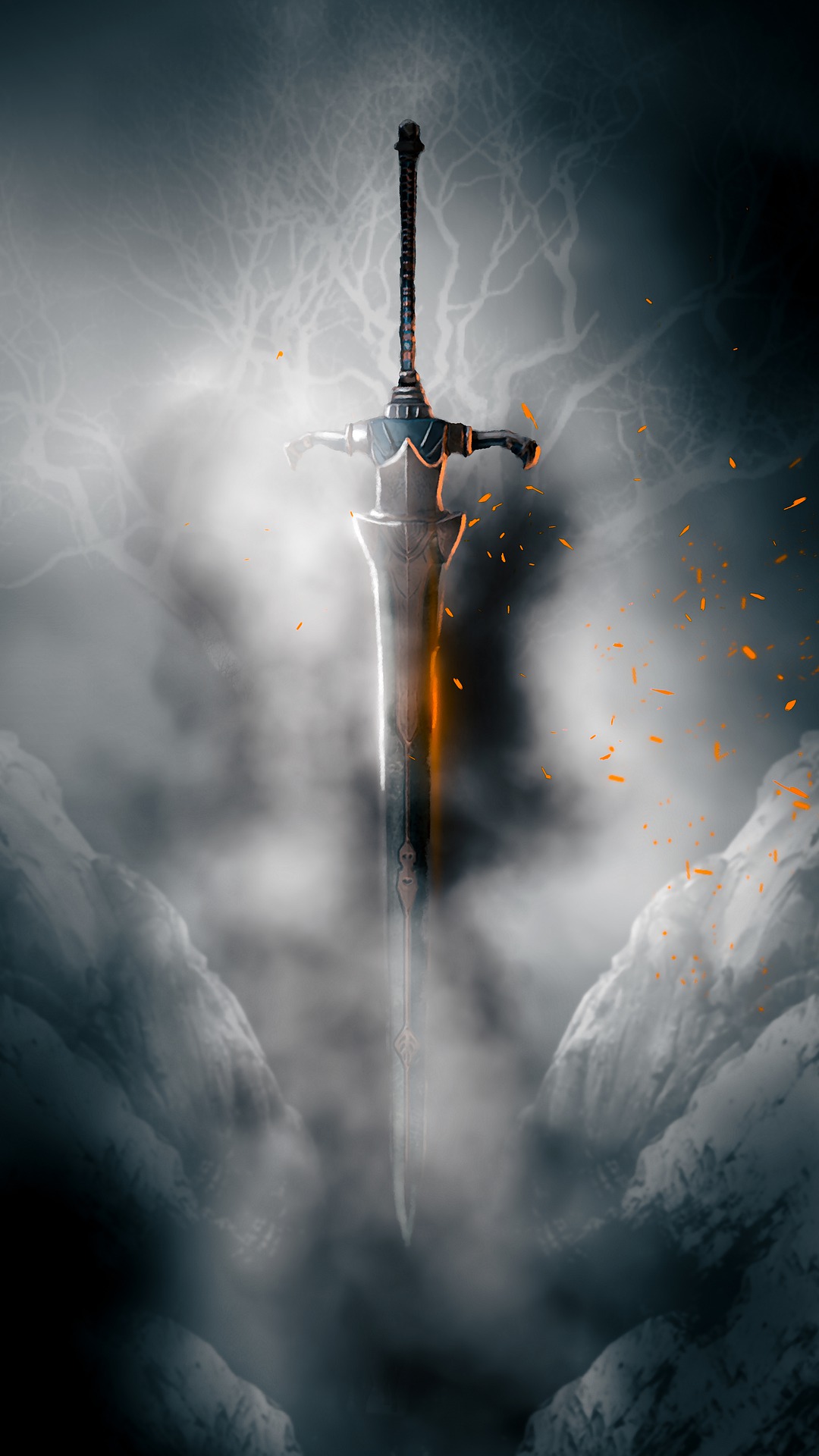
Take this, and do what needs to be done.

As always, don't forget to sign up for my weekly newsletter to get all my updates right in your inbox. Also, if you've got a bit of spare cash that you'd like to use to help keep the wheels turning, consider becoming a Patreon patron! Also, be sure you're following all of my followables, check out my LinkTree.

Lastly, for hundreds of extra articles on gaming, weird history, and for more free fiction, check out my Vocal archive, too!

Proxy Wars in Your Setting


For those whose history books didn't cover the topic, I'm going to lay out a few generalities of the Cold War.

So, during the heights of the twin superpowers of the USSR and the USA, tensions were running very high. These two nations both had massive nuclear arsenals, huge armies, and they weren't shy about using them... however, both sides understood that open war with everything they had was a losing proposal. This would lead to Mutually Assured Destruction, or MAD for short. And what was the point of fighting a war that would literally destroy everything and everyone?

Not much, since you ask.

The result of this was that both nations (and to some extent their allies) entered into proxy wars. They would offer arms, training, funding, and backing to a force they didn't directly control, and which was going to take actions they approved of. One of the most famous, of course, was the U.S. training the mujahideen fighters who would act as guerrilla forces against Soviet-held targets and interests. This would, of course, bite the U.S. when the very forces they trained turned on them because their interests no longer aligned (this will become important later). However, the point was that while both sides of the Cold War were engaged in spycraft, building up proxies and influence, etc., they could not take direct, overt action against one another without setting off the powder keg.

You can take this same setup, and apply it to the worldbuilding for your game.

Perhaps, in the long ago, the gods warred on the world. This incident may have been an apocalyptic event, nearly destroying everything. This would, naturally, have led to the sides who wanted to rule (not just destroy) the world to withdrawing, each menacing the other to keep them off the material plane as much as possible. They would build influence through religions, through selecting personal agents in the form of clerics, paladins, oracles, witches, and warlocks. They may even influence others, sending their lesser servants to act as guides and backers, ensuring that those who may not really be invested in one side or the other can still act in service to one of the great powers who is jockeying for position on the board.

How You Can Use This Setup


If you choose to put this setup in place, it provides you a great deal of interesting leeway when it comes to your plot, and the position of your party in the Great Game. If you need a convenient way to give out loot, divine intervention could literally lead your party to find items that are far greater than they should normally have (as in the TikTok example above with the holy avenger), which might lead to them asking what they need such items to do? It might lead your party, no matter how small they are in level, being used to fight in a series of proxy actions that seem unconnected, but when viewed from a divine perspective are all parts of a great whole. You could even use this setup to create antagonists, such as proxies who once fought for a given divine power, but who have now turned their backs to fight against that same divine power, once their initial enemies were overcome (told you to remember the mujahideen).

As the Game Master, you can choose to make this the blatant setup of your campaign, with the PCs playing a role in the ongoing divine power struggle for dominance and influence. Or you can choose to leave that running in the background, only occasionally cropping up to intersect with the adventures your PCs are currently on. Which one you choose is up to you!

However, if you're looking for some extra inspiration, consider checking out some of the following:

- Keeping Gods Mysterious Maintains Their Mystique In Your Game: A simple collection of advice for making sure the divine stay beyond the common experience of mortals.

- Gods of Sundara (Pathfinder and DND 5E): The unique setup for gods in my Sundara: Dawn of a New Age setting may be of interest for folks who are looking for a Cold War style setup.

- 100 Random Oracular Pronouncements: The gods often speak through oracles, but if you need unique pronouncements to drive the PCs in a particular direction, this may be of some assistance.

Also, if you need a little advice for keeping the cloak and dagger in the divine, check out the video I made about this very topic below!


Like, Follow, and Stay in Touch!


That's all for this week's Fluff post. To stay on top of all my content and releases, make sure you subscribe to my newsletter at the bottom of the page!

Again, for more of my work, check out my Vocal archive, and stop by the Azukail Games YouTube channel, or my Rumble channel The Literary Mercenary! Or if you'd prefer to read some of my books, like my dystopian sci-fi thriller Old Soldiers, my hardboiled gangland noir series starring a bruiser of a Maine Coon with Marked Territory and Painted Cats, my sword and sorcery novel Crier's Knife or my latest short story collection The Rejects, then head over to My Amazon Author Page!

To stay on top of all my latest releases, follow me on FacebookTumblrTwitter, and now Pinterest as well! To support my work, consider Buying Me a Ko-Fi, or heading to The Literary Mercenary's Patreon page to become a regular, monthly patron. That one helps ensure you get more Improved Initiative, and it means you'll get my regular, monthly giveaways as a bonus!

Tuesday, May 21, 2024

Trench Crusade: A Miniature Skirmish Game You NEED To Check Out

The drums of battle sound, and the hymns of war boom through the conflict, carried on the burning drafts of artillery. Blasphemous slugs tear through the air with a demonic screech, rending apart the flesh of those whose faith isn't strong enough to see them across no-man's-land. Devils prowl the trenches, and the zealous howl their prayers so loudly they can be heard over the thunder of the guns.

The Crusade marches onward... do you have the conviction to see it to the end?

It smells your fear... and it will feast on the souls of those weak enough to let it.

What The Hell is Trench Crusade?


Trench crusade is a grim look at an alternate timeline of horror where a portal to hell opened in the center of the Holy Land. From that point onward, the war never stopped, and now in addition to steel and faith it's a clash of arcane powers and infernal machinery as the dark reflections of the worst of humanity try to push into our world, and to claim more and more of it for themselves.

That short description is fun enough by itself, but the art is what sells this game for me. Looking like the bastard hate child of Beksinski and Bosch, these hellish illustrations (many of which already have minis) will call out to the hearts of those who love Dark Souls, Bloodborne, and Warhammer 40K, along with other terrible, grimdark fantasy settings. Mike Franchina is the major name and talent behind much of this art, and in conjuction with designers like Tuomas Pirinen (a designer who worked on Mordheim) and sculptor James Sheriff, this game looks just the right kind of disgustingly beautiful!

Come on... LOOK at this damn thing!

The playtest rules, and a lot of the lore are currently available at the Trench Crusade website, and I highly recommend folks grab them and take a look. Not only that, but you should follow them on Twitter to make sure you get their updates as well!

As a final note, I owe a small bit of thanks to the folks who have been pitching a fit about wokeness ever since Games Workshop announced there were (and retroactively always had been) female members of the Emperor's Custodian Guard. It appears that many of them jumped ship from Warhammer 40K (good riddance), and started looking for other communities to take their unwanted views to. A lot of them found Trench Crusade, and started trying to plant their flag in this game. However, as the mods in their communities made clear, Trench Crusade is not a place for people to discuss real world politics. They also made it clear that a person's sexuality and gender presentation is not a political issue; it is simply who they are, and they should be respected as individuals. People who wanted to start a beef over that have found very quickly that this community has no time for any of that nonsense.

So, if you ask me, that's one more great reason to go and support this game! Or at least check it out so we can keep getting art, lore, and minis for it.

Like, Follow, and Stay in Touch!


That's all for this week's Moon Pope Monday. To stay on top of all my content and releases, make sure you subscribe to my newsletter at the bottom of the page!

Again, for more of my work, check out my Vocal archive, and stop by the Azukail Games YouTube channel, or my Rumble channel The Literary Mercenary! Or if you'd prefer to read some of my books, like my dystopian sci-fi thriller Old Soldiers, my hardboiled gangland noir series starring a bruiser of a Maine Coon with Marked Territory and Painted Cats, my sword and sorcery novel Crier's Knife or my latest short story collection The Rejects, then head over to My Amazon Author Page!

To stay on top of all my latest releases, follow me on FacebookTumblrTwitter, and now Pinterest as well! To support my work, consider Buying Me a Ko-Fi, or heading to The Literary Mercenary's Patreon page to become a regular, monthly patron. That one helps ensure you get more Improved Initiative, and it means you'll get my regular, monthly giveaways as a bonus!

Monday, July 26, 2021

"Gods of Sundara" Takes Aim at Monolithic Religions and Gods in Fantasy RPGs

When I first set out to make my setting for Sundara: Dawn of a New Age, I wanted to take the opportunity to really scour away aspects of the game that bothered me, or which I felt were leftovers from previous editions. For example, I wanted to entirely eliminate alignment from this setting, which is something I've done. I also wanted to try to break down the idea of mono-cultures that led players to always associate dwarves with the highlands of Scotland, elves with the deep forests, and so on, and so forth.

One of my big beefs, though, was how in many games the gods were always the same within the world. It didn't matter if you had characters from radically different nations, cultures, or even species, the god was always the same across the board. Not only that, but the churches, doctrine, and dogma were pretty universal. Whether you were from the frozen mountains of the north, or the deep jungles of the south, if two characters worshiped the same god then the two of you got the same book, and had the same trust that everything your branch of the church told you was true.

And that was the issue I took aim at in Gods of Sundara, which is now available in both a Pathfinder Classic version, as well as a Dungeons and Dragons 5th Edition version.

And if you haven't gotten your copy yet, you really should!

Before I get into the nitty gritty details, wanted to take a moment to remind folks to sign up for my weekly newsletter so you don't miss any of my updates. And if you want to help me keep the wheels turning and the lights on, consider becoming one of my Patreon patrons today!

Why Are All The Gods The Same?


Most fantasy RPGs (not all, but most) tend to have a lot of different gods. They'll usually provide a core pantheon of the most common/powerful deities, and then it spirals out from there. Most often there will be gods dedicated to certain species (like how you'll usually find elven gods, dwarven gods, giant gods, dragon gods, etc.), and then you'll find a few minor or obscure gods. If you have a good/evil dynamic in your cosmos, you'll also have archfiends, major demon lords, and so on who can act as evil gods to empower cults and wicked clerics to do their bidding.

However, as many options as there are, they always seemed to run into the same issue. No matter how big or small a god was, their worship was always the same across the board. All their followers agreed on what their doctrines were, their holy texts were always correct, and even the images of the gods almost never changed. For beings of cosmic importance and limitless power, it always nagged at me that they felt so archetypal, and stagnant.

There could be anything under there...

So when I designed Sundara, I wanted to start with a fresh slate. I didn't just want to follow the templates that had come before with a different color palate... I wanted to give players and GMs alike the opportunity to have flexible divinities, as well as the ability to create their own inclusions into the world if what I provided didn't cover all their needs. Not only that, but I wanted the gods to be more mysterious than they typically are in a fantasy RPG setting. I wanted them to be, at least partially, beyond the ken of mortals who simply cannot fathom the fullness of these cosmic beings, their wants, needs, and desires, but who can only comprehend them through a mirror darkly.

The Thousand Faces of a Thousand Gods


The first thing I did in this book was to wipe away the usual plethora of planes that have only grown bigger and bigger over so many editions. Because if there's no alignment you can't have places like heaven and hell, the abyss or the celestial realms... these places are created entirely out of the idea of good and evil. The same is true of the beings that reside within them, so angels and devils, tieflings and aasimar, they all got the boot as well. The rest of the planes, those that weren't meant to entirely represent an aspect of alignment, got smushed together into a single plane known as the Prim.

Also, for those who are upset at the removal of tieflings and aasimar, don't worry... Gods of Sundara introduced the Prim-Touched species, which combines both of them, and removes all of the good/evil hints to leave you with something that's just all-around Other instead.

But what is the Prim? It is the realm of magic that exists apart from the material world. It is where gods of all shapes and sizes dwell, where souls go after death, and where the raw, swirling powers of thought, imagination, and belief can coalesce into beings and constructs. It is apart from the material realm, but it can be accessed by those who know the correct rites, who have a bloodline connection, or who believe strongly enough in the gods to form a bridge between themselves and that great consciousness beyond.

I had the strangest dream... and when I woke, I felt power within me.

This is where the concept of Faces, and the 5 Pillars of The Gods comes into the picture.

In Sundara, the gods are usually so vast that they are best expressed as formations of an idea. Concepts like War, Knowledge, Secrets, Love, and so forth. However, a god's will and appearance must still be interpreted by those who witness it, and the images and understandings are colored by the witness. So while the highland warriors of the Thendren clans may hold One-Eyed Grimnir with his great sword in high esteem, and the lizardfolk of the Artovan swamp may pray to the godly black dragon Thess'drak, whose glare is fear and whose maw is death, both of these are merely Faces of Charne, the god of Battle.

A god may create Faces in two different ways; purposefully, or incidentally. A purposeful Face is created when a god specifically puts on a guise, or attempts to create a certain impression among a group of people to create this new legend. Incidental Faces are created when a new Face is created purely by mortal interpretation, such as when a species perceives a god in a certain way, assigns them a different name due to linguistic differences, etc.

In addition to all the Faces, there are an unknown/unquantifiable number of minor faiths and gods. From regional protector spirits, to genius loci, to tribal gods, anything you want to add into your corner of the world is encouraged in Sundara. And if you want your divine force to be genuinely separate and apart from the starting "pantheon" I provided, I encourage players and GMs alike to do so!

And how the hell do you keep that straight?

With so many different interpretations of the gods, and an unknown number of divine beings exerting their influence on the world from the Prim, a lot of folks wondered how a GM is supposed to keep track of anything... especially when there's no alignment in this world, so you can't just tell your players, "Remember, stay within one step on the axis!"

That's where the 5 Pillars comes in.

The idea behind this is that whatever interpretation a culture has of a god, and whatever Face they pray to, there are notable similarities in that god's wants, desires, and messages. The god of nature always abhors the creation of undead as something that breaks the natural cycle of death and rebirth, for example, and this happens whether they're worshiped as the Green Mother, Father Storm, or any other Face. The god of knowledge refuses to allow knowledge to be destroyed, no matter how dangerous it could be in the wrong hands. And so on, and so forth.

The idea is that the 5 Pillars provide players and game masters alike with a general idea of what a god wants, and expects. Some of the pillars are thou-shalt-nots, but others are things followers are encouraged to do. And while this can apply to any follower of any god (or the Face of any god), they're only truly consequential for those who are granted power by a divine force... though it is suggested that those who please a god, regardless of what classes they have levels in, should receive some sort of sign from the divine to show their actions have been noticed.

Something that can be supplemented by 100 Random Oracular Pronouncements, for those who are bad at coming up with signs from the divine on the spur-of-the-moment!

The gods should be mysterious, but also present in a way that isn't showing up in burning bushes, or sending shining heralds to deliver their news directly to those they wish to influence. The idea behind this book is to give the gods back some of the subtlety that we often take away from them; to make them less blatant, but also more present since they now have a much lighter touch upon the world and those who adventure within it.

What's Coming Next?


Starting with the next installment, I'm moving into Species of Sundara, where I offer some looks at the unique variations and cultures among classic fantasy species in the Sundara setting. The idea is to give players and GMs unique options, and to show that just because two characters might both be elves, or dwarves, or orcs, that is only a single facet of who and what they are.

And if you've already gotten your copy of Gods of Sundara (Pathfinder, DND 5E, or both if you're bold!), consider checking out some of the Cities of Sundara splats that started this world off!

- Ironfire: The City of Steel (Pathfinder and 5E): Built around the Dragon Forge, Ironfire is where the secret to dragon steel was first cracked. The center of the mercenary trade in the region, as well as boasting some of the finest schools for teaching practical sciences, Ironfire is a place where discovery and danger walk hand in hand!

- Moüd: The City of Bones (Pathfinder and 5E): An ancient center of trade and magic, Moüd was lost to a cataclysm, and then buried in myth. Reclaimed by the necromantic arts of the Silver Wraiths guild, this city has once again become a place teeming with life. Despite the burgeoning population, though, it is the continued presence of the undead that helps keep the city running, ensuring that Moüd is not swallowed up once more.

- Silkgift: The City of Sails (Pathfinder and 5E): Built on the cottage industry of Archer cloth (an extremely durable material used for sails, windmills, etc.), Silkgift is a place that prizes invention and discovery. From gravity batteries that store the potential of the wind, to unique irrigation systems, to aether weapons, the city positively churns out discoveries... and then there's the canal they cut through the mountains that makes them a major center of trade across the region.

- Hoardreach: The City of Wyrms (Pathfinder and 5E): A center of power across an entire region, Hoardreach is ruled over by a Cooperation of five different dragons. A place for refugees and outcasts of all sorts, Hoardreach boasts some of the most unusual citizens and creations from across Sundara. Infamous for their sky ships, which require the cast-off scales and unique arcane sciences of the Dragon Works to take to the air, one never knows just what they'll find in this city built atop a mountain.

- Archbliss: The City of The Sorcerers (Pathfinder and 5E): A floating city in the sky, Archbliss has been a refuge for sorcerers for thousands of years. It's only in relatively recent years that the city has allowed those from the ground below who lack the power of a bloodline to join them in the clouds. However, while there are certainly amazing wonders to behold, there is a darkness in Archbliss. Something rotting away at its heart that could, if not healed, bring the city crashing to the ground once more.

Like, Follow, and Stay in Touch!


That's all for this week's Moon Pope Monday. To stay on top of all my content and releases, make sure you subscribe to my newsletter at the bottom of the page!

Again, for more of my work, check out my Vocal archive, and stop by the YouTube channel Dungeon Keeper Radio. Or if you'd prefer to read some of my books, like my cat noir thriller Marked Territory, its sequel Painted Cats, my sword and sorcery novel Crier's Knife or my latest short story collection The Rejects, then head over to My Amazon Author Page!

To stay on top of all my latest releases, follow me on FacebookTumblrTwitter, and now Pinterest as well! To support my work, consider Buying Me a Ko-Fi, or heading to The Literary Mercenary's Patreon page to become a regular, monthly patron. That one helps ensure you get more Improved Initiative, and it means you'll get my regular, monthly giveaways as a bonus!

Saturday, July 25, 2020

What Are Your Character's Superstitions?

Arlon carefully wound the small, silk favor round his sword arm. It was a strange thing to see a man so large, and wearing so much steel, banded by a soft red ribbon edged with lace, and smelling of a lady's perfume.

"Why do you do that?" Durgon asked, drawing his whetstone across the head of his ax.

"It's tradition," Arlon said, snugging the knot into the hollow of his elbow. "Death is scared of a warrior favored, because it means he's already been claimed."

"Drek," Durgon said, shaking his shaggy head. "But if it makes you happy, who am I to stop you?"

Arlon smiled, and shook his head. Whether at his own foolishness, his friend's lack of faith, or simply thinking of his lady, it was hard to say.

You always make your mark. Stops the fey from laying their wiles on your blade.

What Superstitions Does Your Character Believe?


For those who didn't catch it recently, my supplement 100 Superstitions For a Fantasy Setting from Azukail Games dropped this month, and it's a topic that's been on my mind a lot of late. Because with all of the forces and powers that run rampant through our fantasy settings, all the different gods great and small that fill the world, and all the cultures spread out over it, one would think that we would have more little tics and quirks than we do. But often times these odd little beliefs don't show up until long into a campaign, if they're ever present at all.

Never harm a goat, or bad luck will cross your path.
Take a moment and think about what superstitions you have. Where did you pick them up? Can you even remember? Because whether you avoid cracks on the sidewalk, you always throw a pinch of salt over your shoulder, or you skip the thirteenth step on your staircase, we've all got our odd little habits. And they say something about us, our culture, and the things we believe.

Where Do Superstitions Come From?


Superstitions are, generally speaking, a way for us to feel like we're exerting control over the chaos of the world. Small rituals or beliefs that let us feel like we can predict a pattern, or manipulate things to our advantage in some minor way. Whether that means wearing your team's jersey without washing it every game day for a season, blowing on your dice before you roll, or putting your girlfriend's pantyhose around your neck to protect yourself from sniper fire like we saw in The Things They Carried, people will latch onto all kinds of things if they feel it gives them even a little control.

Sometimes these superstitions take the form of hedge magic charms, such as little sayings or hand gestures like throwing up the first and last fingers to ward off the evil eye. Sometimes it's a religious quirk, such as blessing someone when they sneeze to prevent a demon from getting inside them while they're undefended. Other times it's spun up whole cloth, or sparked by some random coincidence like how you always roll your dice after three shakes in the dice cup because of that one time you got a triple crit that way.

Don't pretend you don't know what I'm talking about.
The question you need to ask is what views, beliefs, etc. has your character picked up from their culture, their family, their friends, and their experiences?

As an example, did your character name their weapon because it's believed that such names grant power and spirit to a blade, spear, or hammer? And did they do that because it's tradition in their culture, or did they once adventure with a companion who insisted their sword had to be named after spilling so much blood carving their way through an ambush in the mountains?

That's just one possible instance that might be common among those who experience the rougher side of the adventurer's life. But everything from wearing a certain flower, to carrying a playing card, to getting a particular tattoo, to just meeting certain creatures in the world could easily become a superstition. Whether it's rubbing a tiefling's horns for luck, or wearing a blessed vial of holy water around your neck to ward off bad spirits, superstitions can take all sorts of strange and bizarre forms.

Perhaps the most important thing to remember when it comes to our fantasy settings, though, is that superstitions don't have to be fake. With all of the magic and gods inherent to these settings, your character's superstitions could very well manifest through their class features. An evoker who believes orc or infernal is a more potent language might prepare all their metamagic spells using said language. Leaving out offerings for fey might actually draw their attention in certain parts of the map, and get them to do a character a good turn as thanks. A flawed magic item that requires blood to maintain its magic will, in fact, need to taste blood at least once a day if it is to maintain its killing edge.

So remember, just because a superstition might be silly, that doesn't mean it isn't doing something.

Additional Reading and Inspiration


If you enjoyed this week's thoughts, as well as the supplement that inspired them, you might want to check out the following as well:

- 13 Fiends: A Baker's Dozen of Devils: If you want unique fiends to tie to your superstitions, as well as a few rituals to go with them, then the in-depth coverage of these 13 infernal figures will be right up your alley!

- 100 Cults To Encounter: Whether your character was raised by a cult, or simply chose to be a member for a time, sometimes the lessons you learn in these faiths are hard to shake.

Like, Follow, and Stay in Touch!


That's all for this week's Fluff post! If you've used this in your games, share a story down in the comments!

For more of my work, check out my Vocal archive, and stop by the YouTube channel Dungeon Keeper Radio. Or if you'd prefer to read some of my books, like my sword and sorcery novel Crier's Knife or my recent short story collection The Rejects, then head over to My Amazon Author Page!

To stay on top of all my latest releases, follow me on FacebookTumblrTwitter, and now Pinterest as well! To support my work, consider Buying Me a Ko-Fi, or heading to The Literary Mercenary's Patreon page to become a regular, monthly patron. That one helps ensure you get more Improved Initiative, and it means you'll get my regular, monthly giveaways as a bonus!

Monday, November 4, 2019

DMs, When It Comes To World Building, There's No Such Thing As Wasted Effort

How many times have you slaved over a dungeon layout, a unique monster, or a deeply thought out bit of world lore, only to have your party skate right past it without so much as slowing down? If you've been a dungeon master for any length of time, the answer is probably more times than you can readily count. And there are typically two reactions to this scenario. The first is to contrive some reason that the party is forced to stop and admire all of the hard work that you did, typically by throwing the brakes on to make them ask about the lore, fight the monster, or acquire a macguffin. The second is to sigh, close your notebook, and then when the players go home at the end of the night, to drink and think about what could have happened.

It could have been a great dungeon... but they didn't want to explore it. Why do I bother?
However, for those DMs who get caught up in "wasted" effort, I think you need to be reminded of something. You're the one who makes the world go round... you can always bring that thing back around again somewhere else, if you think creatively about it.

A Great Re-Structuring Is Always Possible


The most obvious example of these situations is when the players miss something you spent a lot of time working on, hoping they would find. Maybe it was this massive dungeon complex hidden behind a wall, or a crumbling temple that your party could see off in the distance, but they decided to nope right past because it wasn't part of their current mission.

That's fine. Because if the players never saw it, they won't realize that you just moved it to a different location later up the road.

And we'll just move you... here. This spot's perfect!
I mentioned this way back in Herd Your Players, Don't Railroad Them, but it bears repeating. If you wanted your party to explore an area you put a lot of time and effort into, but they didn't take the bait, just move the area to another spot, and make it more relevant. If your players didn't see the dungeon, meet the NPC, face off with the monster, etc., then as far as they know it doesn't exist. You are the only one who will know that you're recycling an "old" location/person/fight and connecting it to a different spot. Additionally, you'll look super prepared because you have something ready to go, complete with map notes, diagrams, riddles, etc.

Lore Isn't Wasted (Even If No One Bites The Hook)


Sometimes the thing you want your party to interact with is less tangible. Maybe it's the history of a particular knightly order, or the legends swirling around the royal family, or the rumors on the street about girls who are going missing on the second night of every full moon. It might be interesting background, but the key thing to remember is that unless these lore details are actually part of your party's current adventure, that's all they are; part of the scenery.

Just mentioning these things exist means they're doing their job, even if no one pursues them.

Anyone curious about the Dragon Pikers? Anybody? Come on, guys...
Background lore and details like this set the tone for a place. While you might think it's fascinating that each of the gargoyles perched on major public buildings has a name and a history associated with it in the city of Evernight found at the base of the Obsidian Mount, gushing about it won't endear that fact to your players. Instead, just describe what they see, and let them react appropriately. Work references to the gargoyles into the way people speak, making warding signs and invoking the creatures' names the way others might offer prayers to saints. Have certain, specific gargoyles crouched over doors, or left inside like household altars, to drive home how important they are in this town, and show how people touch the statues as a way to gain good luck, or protection, or how they'll pay one of the statues' heads the way we might knock on wood to avoid ill fate.

Some players might wonder what's going on, and either ask to make checks or talk to your NPCs to find out. Others will simply nod, and take it as part of the atmosphere. And even if the religious import, cultural significance, etc. of this worship is never discussed, its very existence is enough to make the place unique... that means it did its job. The goal is not to inundate your players with a guided tour of this fantasy setting's religion, but rather to use that aspect to make the place feel unusual and different. Mission accomplished.

If your players are overcome with curiosity and ask questions, you know the answers. If they don't ask, they still have the haunting visuals you've described, and the feeling of eyes watching them from above. Either way, it's a win for you as the DM. The lore is a bonus, but force-feeding it to your players is going to bore them, rather than engage them. If they don't ask, don't take time away from their actions to tell them.

Looking For Some Inspiration?


Another option I'd suggest for all the DMs out there is to keep some lists handy so you can just grab names, places, and backstories as you need them. This can save you a lot of work, and a lot of staring off into space as you try to spitball an NPC's name, or layout the rumors about a location or a person. If you're looking for some inspiration, might I suggest some of the following by yours truly?

- A Baker's Dozen of Rumors (And The Truth Behind Them): Each of these rumors can be used to add a little flavor to a game, but they also have enough meat behind them that you could build an entire session out of them. Handy to have on-hand if you need a plot, but can't spitball something in a hurry.

- 100 NPCs You Might Meet At The Tavern: Perhaps my bestseller yet (at Electrum status at time of writing) this one has a bit of everything. So whether you need merchants or scholars, gang lords or private muscle, you can find a little of everything in this collection, ready to go!

- A Baker's Dozen of Noble Families: Every family has a story, and noble families tend to have several. Whether you want shining lords or corrupt patriarchies, there's a bit of everything in this particular collection of the high and the mighty.

- 100 Knightly Orders: That crack about unique knights above wasn't just a crack. Elite troops and stand-out orders with their heraldry and histories can capture the imagination, but coming up with them on the fly isn't easy. So, here's a hundred of them ready for their marching orders!

Like, Follow, and Stay in Touch!


That's all for this week's Moon Pope Monday. Hopefully you enjoyed, and if you've used run these kinds of games before, leave us a comment to let us know what worked for you!

For more of my work, check out my Vocal archive, and stop by the YouTube channel Dungeon Keeper Radio. Or if you'd prefer to read some of my books, like my sword and sorcery novel Crier's Knife, then head over to My Amazon Author Page!

To stay on top of all my latest releases, follow me on FacebookTumblrTwitter, and now Pinterest as well! To support my work, consider Buying Me a Ko-Fi, or heading to The Literary Mercenary's Patreon page to become a regular, monthly patron. That one helps ensure you get more Improved Initiative, and it means you'll get my regular, monthly giveaways as a bonus!

Friday, May 3, 2019

What Organizations Does Your Character Belong To?

When most of us make characters, we focus on who they are as individuals. Krogar the Brute, with his thick mane of black hair and massive great ax, for example, is a feared mercenary and a native of the Western mountains to judge from his accent. Brisheen Fairhair, veiled in silks and able to twist the mind with no more than a glance and a whisper, has a past shrouded in mystery. Hadrick Coster, a light-fingered dwarf with a knowing smile, and a touch of mischief in his one, remaining eye.

No man is an island, though, or so the old saying goes. Every character has someone who raised them to adulthood (whether it was a parent or not), everyone has had friends (or at least casual acquaintances), and most folks had a mentor or teacher of some kind to help them master their particular skill sets. Whether your relationships with these other character are good, bad, or complicated is up to you, but those characters should exist in some capacity.

There is another aspect of who a character is that we often overlook, as well... what groups or organizations they belong to.

Knights of Columbus, perhaps?
While there is no rule in a game saying your character can't fly solo, you can get a lot of mileage out of asking what groups they owe their allegiance to... and if they've turned their backs on those groups, why they did so.

Born, Sworn, and Otherwise


One of the most basic ways that a character ends up becoming a member of a particular group is that they're born into it. If your parents are nobles, then you're a noble as well... whether you like it or not. If you're part of a hill clan of barbarians, or the child of an infamous bloodline, then you have a birthright that sticks with you. Maybe you embrace it, maybe you run from it, but it's there and should contribute to your character's history.

Valgard, what's this symbol on your ring mean?

There are also organizations you find yourself part of that you didn't choose to join, but which you weren't exactly born into. A good example is if your character was taken for mandatory training when they were young. Whether it was like the Spartan agoge, or simply a requirement that all children who show magical talent be trained in its proper use in your home nation, that organization was a huge part of their early life, and likely shaped them in important ways. Alternatively, if your character was taken in off the streets by a gang, or shanghaied onto a pirate ship that acted like a surrogate family, then that will also give you some experiences and allegiances you didn't exactly choose, but found yourself stuck with.

Sworn allegiances, on the other hand, are any groups that you voluntarily chose to join (though in some cases you may have been pressured due to circumstances). Whether you served with a particular military unit, fought beneath a mercenary company's banner, you were a graduate of an arcane college or tradition, or you were a member of a particular religious sect or esoteric order, all of these can play into who you are, how you act, what your goals are, and most importantly what your place in the world is.

If you're looking for inspiration for some groups you could work into your character's history, you might want to check out:

- A Baker's Dozen of Noble Families: From the swamp-dwelling clan fam of the Dredgers, to the deep pockets of High Hall, these 13 noble families are fleshed out enough that you can easily make your character a member.

- 100 Nobles to Encounter: For those looking for siblings, cousins, parents, grandparents, aunts, uncles, and rivals, there are all kinds of nobles in this one. Some of them even go outside traditional aristocracy, such as elven High Boughs, or orcish war dukes.

- 100 Random Mercenary Companies: From the warrior wizards in the Acolytes of Arannis, to the black-clad battalions of the Harbingers of Sorrow, each of these companies offers unique ties for those who signed up for a tour of service.

- 100 Random Bandits to Meet: Filled with gangs, brigands, thugs, and blackguards, this collection is ideal for those who lived that bloody life. Maybe you're still in it, maybe you're trying to get out, but either way there's plenty to work with here.

- 100 Pirates to Encounter: The same as bandits, but on the high seas! With dozens of captains, ships, and odd crew members from the Skull Island Coven, to the galley known as the Floating Forest, this will certainly help spice up your back story.

The important thing to remember is you don't have to have just one of these allegiances throughout your character's history, either. You may have been born a noble, and trained as a knight, only to be on the losing side of a war. Stripped of lands and title, you joined a mercenary unit where you flew your old banner and family colors, defiantly refusing to admit that the past was truly dead. Perhaps you lost your parents early in life, and were adopted by a gang of street thieves. You picked up some skills here and there, but when your talents for magic manifested you used them as your ticket out of that life. While you might be a respected scholar of the arcane now, that tattoo on the inside of your wrist reminds you that once a Red Brand, always a Red Brand... and some of the cutthroats you once called friends haven't forgotten the promises you made to each other more than half a lifetime ago.

The Good, The Bad, and The Ugly


Organizations can say a lot about characters, and often enhance (or deplete) their social currency. If you wear the armor of a Genarian Templar, people may overlook your ill manners and poor hygiene. Even if you left the brig behind years ago, and you've totally reformed, those who see the brand of piracy on your arm beneath the blag flag tattoo of the Blood Tide may fight shy of you. Whether you're up-front about which organizations you belong to (or used to belong to, in case you're trying to keep it on the down low), think about why and how you made those allegiances in the first place.

The results might surprise you!

That's all for this week's Fluff post. If you've used this strategy in your games, leave a comment below and let us know how it went for you!

For more of my work, check out my Vocal and Gamers archives, and stop by the YouTube channel Dungeon Keeper Radio. Or if you'd prefer to read some of my books, like my sword and sorcery novel Crier's Knife, then head over to My Amazon Author Page!

To stay on top of all my latest releases, follow me on FacebookTumblrTwitter, and now Pinterest as well! To support my work, consider Buying Me a Ko-Fi, or heading to The Literary Mercenary's Patreon page to become a regular, monthly patron. That one helps ensure you get more Improved Initiative, and it means you'll get my regular, monthly giveaways as a bonus!

Tuesday, May 27, 2014

Using Religion in Your Roleplaying

An individual's faith is a deeply personal choice, as is the way he or she decides to practice it. Some people are very quiet about their beliefs, not bringing them up in conversation or even making them a part of their common vernaculars. Other people display their faith subtly, perhaps by wearing a symbol to identify themselves or by saying a small, quiet prayer before they eat. Still other people make their religion very plain, following strict rules on dress, behavior, diet, and even about the kinds of people they can associate with according to their faith.

If you want to add an extra dimension to your roleplaying, consider your character's views on the divine.

The Gods Are Real

And they will give you things, if you ask properly.
Let's take the example of a fantasy roleplaying game like Pathfinder. In these games gods, spirits, and other forces are undeniably real. Clerics, paladins, druids, oracles, and others all draw power from the well of the divine. Not only that but those who have been resurrected have given testimony of the worlds beyond, and learned practitioners of the arcane can commune with any number of beings beyond the mortal, material realm.

So, the gods are real.

Take a moment and contemplate that for a moment. Think of a world where there was no question on the existence of gods. A world in which the gods and their servants could be seen, heard, felt, and where there was a better than even chance their mortal mouth-pieces were in fact giving the masses the straight dope on the divine. A world where the pious could perform miracles, where infernal and angelic bloodlines manifested in the populace, and where there was no possibility of it all being smoke and mirrors as a salve on troubled souls.

That's the kind of world your character exists in.

What Sort of Faith Did Your Character Grow Up In?

We do not smile in the graveyard. Pharasma will make our faces stick that way if we do.
Religion, whether by its presence or the lack thereof, shapes people. Just look at people in America. Catholics have saints as well as Jesus and Mary, and there are a hundred rituals and holy days to remember. Lutherans forego many of these things, though they practice ostensibly the same faith. Other religions, like Santeria, Voodoo, Asatru, Wicca, Hinduism and others all come with their own rules and regulations. Not being raised with a faith at all, or being raised in a way that doesn't expose you to a faith, also leaves a mark on a person. These are things that can cling for a lifetime in the form of warding gestures, turns of phrase, or little rituals from lighting candles for the departed to running fingers over a rosary when one is nervous.

So ask yourself what faith or faiths your character grew up with. Was he raised in an orphanage run by clerics of Asmodeus who taught about the contracts of society, and who instilled values of cleverness and power? Perhaps she was brought up in the country, and her father taught her all about nature, and how Erastil had given them a responsibility to support each other and to never take more than they need to live? Maybe your character was raised by wizards, who considered the divine a problem to be solved rather than an idea to be worshiped and followed?

Whatever your unique upbringing was, ask what bits of faith held tight and which fell by the wayside. Maybe it's the curses your character uses, the taboos she avoids, or something even deeper.

How Do You Pray?

Put on your knee pads girls, we're going to be here a while.
Every day clerics have to pray for their spells. This is the same kind of hour-long ritual that wizards and magi have to go through to access their magic for the day. Most players just tell their DM "I pray for spells," the DM nods, and the game continues on.

If you do this you're passing up a huge roleplaying opportunity.

Yes, the mechanical effects of praying for spells don't change from one cleric to another. Every cleric spends an hour at prayer, and as a result said cleric gets a certain number of spells for the day. But what does it look like?

Does a cleric of Gorum passively kneel and pray, or does he clean his armor and weapons to a mirror shine as he recites the tenets of the god of battle? Or does he stand without armor, in just a loincloth with naked steel in hand as he goes through combat forms that represent different spells? Does a cleric of Shelyn create art while praying, or does the cleric play music or dance as a way to create something beautiful as an offering? Does a cleric of Zon Kuthon cut herself, or run needles through her skin in certain patterns to get closer to the god of agony? Do the prayers change over time? Are more elaborate rituals required for those who are higher in power, which explains why they're granted more powerful magic?

This isn't just for clerics either. Any character who worships a god should have little rituals that make them more unique. Barbarians might offer a prayer at the beginning or end of a hunt to commemorate the activity. Rangers who track and kill undead might carve Pharasma's spiral on their arrowheads out of a totemic belief that they'll draw the restless dead home. Fighters who worship Cayden Cailean might offer the first toast to him after a successful adventure in thanks, or before embarking as a prayer for good luck.

When the gods could quite literally be on your side, it's important to make sure they know you're listening.

Monsters and Faith

Sixth level of the Abyss, how can we help you?
Even the most diverse games tend to be very human-heavy; let's face it a bonus feat and skill point are hard to say no to. However, it's important to remember that monstrous races all have their own gods as well. Elves, dwarves, giants, ogres, gnolls, and others all have gods they revere. The question players have to ask in these cases is did these monstrous characters leave their old faiths behind, or cling tight and go on adventures with their primordial patrons looking over their shoulders?

For some races the connection to the gods is even stronger. Tieflings and aasimar are the first that come to mind, but geniekin and others with the blood of powerful outsiders running through their veins are also important candidates for deeper questions. For instance, does a tiefling believe that he's damned simply because of his heritage? Could a lifetime of prejudice and scorn lead him to snap, deciding that he'll commit such atrocities that when he does go to hell they'll make him a duke for his troubles? Does an aasimar regard divine parentage as something more like an extended family than a god, leading them to treat those they're descended from with greater familiarity and less awe than they might otherwise command?

These are good questions to start with. How you answer them will depend on the kind of character you want to make.


As always thanks for dropping by Improved Initiative. You can follow us on Tumblr, Facebook, or you can plug your address into the box on the top right to get our updates. If you'd like to support this blog then drop your loose change into the "Bribe the DM" button, or check out our Patreon page and become a patron today!