Showing posts with label battlefield control. Show all posts

Monday, December 9, 2024

Dungeon Design Tips: Combine Combat With Traps

A while back I put together an article titled Consider Removing Doors From Your Dungeons, and it was popular enough that I thought I'd come back to the topic of dungeon design this week. And before I get into this next topic, I wanted to ask my readers out there... is this something you'd like to see me turn into an ongoing series? And if so, would you like to see it remain part of my Crunch updates, or would you like to see it become its very own section? And, for that matter, do you want it to remain hosted on this blog, or should I put it over in My Vocal Archive?

All input is welcome, as it's the voices of my audience I use to try to guide my decisions going forward. With that said, onto this week's topic!

After all, not all traps are this obvious!

As always, don't forget to sign up for my weekly newsletter to get all my updates right in your inbox. Also, if you've got a bit of spare cash that you'd like to use to help keep the wheels turning, consider becoming a Patreon patron! Also, be sure you're following all of my followables, check out my LinkTree.

Lastly, for hundreds of extra articles on gaming, weird history, and for more free fiction, check out my Vocal archive, too!

Combat And Traps: A Match Made In Hell


As I mentioned in the previous installment, a lot of us tend to think of our dungeons in segmented parts and pieces, which we don't allow to interact with one another. If there's a room with an encounter in it, then no matter how long or loud the combat gets, other denizens of the dungeon won't come to see what's happening, even though that's the logical thing to do... it's as if the doors are all soundproof, and none of the other monsters want to overstep the limits of the arena they're placed in. To help break us out of that mindset, my suggestion was to eliminate doors, or to at least leave them open so it's clear they aren't a barrier between what happens in this part of the map, and what happens further away.

However, just as we often section off our rooms and arenas, keeping them separate and apart from one another, we often refuse to let two other parts of our dinner touch; namely traps and combat encounters.
Guys, got a monster! Stop checking for traps and help me!

Consider this. A majority of the time we put traps in long hallways, cramped corridors, and otherwise empty rooms because (whether we're thinking about it or not) we consider the trap to be the encounter in that area. While some doors might have traps on them (thus allowing the trap to act as the opening salvo of an encounter), that is a one-two punch rather than a genuine combination of a trap and encounter. Like having a burger and fries in the same take out container, but they're still not touching each other.

No, this week's advice is to purposefully and deliberately combine traps with combat encounters as a way to create a more dynamic arena, and to increase the difficulty/challenge rating for your players.

There are a few different ways I would suggest thinking about this. Some of those methods, with examples, include:

- Added Threat: Consider a room with hidden crossbows or arrow traps, but which all fire at a height that will hit a Medium creature and not a Small one, and which go off when triggered by a higher weight than a Small creature possesses. This ensures the goblins in the room can run amok, goading the party to close the distance via certain routes, thus setting off additional, hidden attacks. Bonus points if the bolts/arrows are drugged or poisoned, thus creating an additional danger.

- Ticking Clock: We've all been in a room with a flooding trap before, putting a ticking clock on how long players have before they're drowned... but what if there are hungry crocodiles released into the rising waters? Or skeletal warriors who aren't bothered by things like a need to breathe? The water doesn't hurt the characters in and of itself, but it does add one hell of a challenge.

- Battlefield Control: The party steps into a room with a handful of orc archers firing their longbows. Clearly the solution is for the barbarian to charge them so they can no longer take pot shots at the party. But that's when the roaring brute finds, to their chagrin, that parts of the floor are loose, leading to drops into spiked pits. The enemy knows where the camouflaged pits are, and while the party now has to move carefully, the enemy can fire at will, or engage however they wish to.

These are just a few ways that traps can add additional threats to a situation, and create an additional threat for your party to deal with!

With that said, consider some of the following caveats...

Before going ham and adding traps to every encounter, take a deep breath, and let it out slowly. Because when choosing the proper traps to mix into your combat, it's important to consider the following questions:

- Is This An Equal Opportunity Trap? Most traps will likely be avoided by the monsters in the room, but there are some traps which will only be an issue for the party, even if they go off. A poison gas trap, for example, won't affect the zombies in a room, even if it creates a deadly poison cloud that can be a serious danger for the party.

- Is This A Crippling Trap? Most traps are dangerous in-the-moment, but if someone survives the trap, will it create a condition that character now has to deal with for the rest of the dungeon? Something that deals hit points, or which creates a short-term negative is very different than something that gives the victim a permanent negative, or which takes away one of their options to participate in the game going forward. Just like how a monster sundering a fighter's sword is a serious issue that shouldn't be considered lightly, so too is a trap that leaves an effect on a character after the room it's encountered in (other than hit point loss, as that's often reparable).

- Does This Trap Make Sense In This Location? If the party is invading the secret underground lair of a mad alchemist, then it makes total sense for rooms to be rigged with poison gas, explosive traps, and other challenges... but would those same devices be found in the lair of a dragon? Or a defunct crypt that no living person has entered in a century? Just because a trap might make good tactical sense, that doesn't mean it makes sense with the world's internal consistency.

- Is This Avoidable? There shouldn't be a guarantee that a trap goes off. There should be a chance that players avoid it, whether it's moving in a certain way to avoid triggering it, making a Perception check to notice the trap, or having some ability to negate or stop it from going off. Traps that you basically have to set off, or disable while you're under attack, can quickly suck the fun out of an encounter, and they're something you should avoid doing often (or at all, depending on the opinion of your table).

One last thing I would add as a piece of advice here is to choose your traps carefully. Just like how players will get tired of fighting the exact same monster over and over again, or how they'll come up with strategies to deal with specific tactics, a particular trap layout is only going to work so many times before it goes from a new and dangerous threat to an annoyance or frustration.

More importantly, though, is that the real advantage of traps is the uncertainty they create. For example, if your party snuck into a forbidden crypt, and they had to do battle with undead squires to enter the tomb proper, then the lack of a trap might make them confident. But then they have to cross a bridge that is trapped while undead archers fire arrows at them, that might leave their confidence shaken. When they enter the depths of the tomb, and find a skeletal champion and its retainers waiting for them, is the party going to assume this is another straight-up fight? Or will they be moving with caution, wondering where the booby traps are?

A trap only has to happen every now and again for the party to become wary of them. However, traps can grant a serious home field advantage, often allowing a small number of adversaries (or even just one) to take on an entire party of well-armed, well-prepared player characters!

Speaking of Traps...


Part of the reason I was thinking on this topic was that I've been re-reading my recent supplement Ungentlemanly Warfare: A Baker's Dozen of Booby Traps that I put out a little while back for my RPG Army Men: A Game of Tactical Plastic. I'm slowly gearing up to write a few more missions set in this world to follow up the first release A Night At Breckon's Beacon, and at least one of these missions is going to have a lot of traps as part of the challenge a squad is going to have to face.

Seriously, grab a copy if you haven't yet!

If you're looking for a game that definitely encourages the use of traps as part of the challenge (for both allies and enemies), then grab yourself a copy of Army Men for the holidays! And if you just want some improvised mayhem in your game, well, Army Men is based off of a 5E engine, so if your game also runs on something 5th Edition, or a 5th Edition port, these booby traps should be equally useful for you as well! And while some are meant for dealing with infantry, there are several that are meant for taking out vehicles, as well as their entire crew... so tread carefully!

Like, Follow, and Stay in Touch!


That's all for this week's Crunch post! To stay on top of all my content and releases, make sure you subscribe to my newsletter at the bottom of the page!

Again, for more of my work, check out my Vocal archive, and stop by the Azukail Games YouTube channel, or my Rumble channel The Literary Mercenary! Or if you'd prefer to read some of my books, like my dystopian sci-fi thriller Old Soldiers, my hardboiled gangland noir series starring a bruiser of a Maine Coon with Marked Territory and Painted Cats, my sword and sorcery novel Crier's Knife or my latest short story collection The Rejects, then head over to My Amazon Author Page!

To stay on top of all my latest releases, follow me on Blue SkyFacebookTumblrTwitter, and now Pinterest as well! To support my work, consider Buying Me a Ko-Fi, or heading to The Literary Mercenary's Patreon page to become a regular, monthly patron. That one helps ensure you get more Improved Initiative, and it means you'll get my regular, monthly giveaways as a bonus!

Saturday, January 1, 2022

Illusion Spells Are Far More Tactical Than We Give Them Credit For

When we think of magic, we tend to picture the big, flashy spells first; lightning bolts, mind control, walls of fire, and raising the dead to do our bidding. The spells a lot of us ignore, though, are illusions. After all, outside of disguising the party to look like guards or townsfolk during a stealth mission, becoming invisible, or creating the occasional distraction, what is illusion good for, anyway?

Well, if you're creative with it, this particular school of magic can be a literal game changer.

May not be real, but it sure is effective.

While the following tips are geared toward Pathfinder, make sure you read the fine print in your particular edition. You may find that the power level of illusion is something you underestimated in a lot of other games, too.

As usual, if you want to stay on top of all my content subscribe to my weekly newsletter! And with the new year upon us, consider becoming a Patreon patron if you haven't yet! Lastly, to make sure you're following all of my followables take a moment to check out my Linktree.

Wasting The Enemy's Time, Energy, and Resources


Illusionists are never going to deal the most damage in a combat situation. That role will go to the sorcerers and evokers if we're talking about spellcasters, or to the fighters, rangers, and barbarians overall. Actually putting the hurt on the enemy isn't an illusionist's job once initiative is rolled... it's ensuring that the enemy can't make sound tactical decisions because you have limited their options.

What do you mean there's no gunships? I can SEE them!

Take, for example, one of the most basic illusion spells; silent image. This spell allows you to create a rather large illusion that takes up several 10-foot squares even at a low level. Even better, you can make larger and larger illusions as you go up in level. Now say there are archers up on the hill, and they're preparing to tear apart your allies with a vicious volley... you have the ability to conjure an illusory wall between them and your allies. While the wall isn't real it will block their ability to see. This gives your allies a 50% miss chance, and if they step out of the squares they were in before the wall manifested then the archers are essentially firing blind. While the wall won't stop any projectiles, or hinder movement, it is an effective protection that enemies would have to interact with in order to disbelieve it.

For a 1st-level spell, that's not nothing.

This mindset can put a lot of other illusion spells into a different perspective for many players. For example, minor image might be able to conjure an image of a warrior about to strike that would fool a mindless undead, or distract a goblin from a fellow PC. Even if they just waste one turn attacking that smoke and mirrors, that's one turn their actions didn't harm your party. And if they fail a save after interacting with it, then hoo boy, your illusion can eat up several rounds of that enemy's efforts as they try to fight something that isn't even there while your allies seize the advantage.

While bigger illusion spells may be quasi-real in the case of shadow effects, or impose negatives on those who fail saves against them (like you see with illusory poison or wall of nausea), the way to get the most out of them in a tactical situation is to make sure they waste as much of the enemy's time (or suck up as many of their resources) as possible. Even if it's just putting a misty barrier between an ally and the enemies surrounding them that can cut off flanks, grant concealment, and buy the ally some much-needed relief as they try to do their job.

Because while mirror image and invisibility spells are useful, and phantasmal killer is always going to be classic, your real job is to ensure the enemies are swinging, shooting, and casting at things that aren't really there. Because they have to interact with the illusion to know it isn't real, and that buys you and your allies time.

Assuming, that is, you don't use your illusions to avoid combat in the first place by turning invisible and getting the guards to chase figments that look like you and the party down a side corridor.

Weaknesses to Watch Out For


While illusions are more useful than a lot of us give them credit for, they're also a nuanced school of magic that has a lot of holes in it. Illusions come in many different shapes and sizes, and with a lot of different labels. Some are mind-affecting, and some aren't. Some are patterns, some are shadows, and some are figments. It's important to read them carefully so that you know which ones are going to be effective on which enemies, and in what situations.

Additionally, creatures that have alternative senses simply aren't going to be affected by certain illusions. A blind creature with tremorsense, for instance, isn't going to react to a purely visual illusion. A creature who tracks by scent, or by hearing, won't react to an illusion with no smell or sound respectively. Any creatures with true sight are going to look right past anything that isn't real (a major concern for later in the game), and spell resistance is going to be an issue for a lot of creatures.

None of these are deal breakers, of course. It's simply important to know and understand what the strengths and limitations of your spells are before you go too deep into using your special effects to alter the battlefield in favor of your friends.

Check Out Some Gaming Stories!


For folks who haven't been keeping up on my recent changes, I've been largely hosting my Table Talk feature on Vocal, rather than here on Improved Initiative. I talked about this a bit ago in You're Not Missing My Updates (They're Over on Vocal). The short version is that Vocal pays a lot more than my blog does, and I'm trying to capitalize on that as much as I can... but it's tough getting eyeballs and fighting the algorithm. So take a moment to check out some of the following pieces!


Any reads and shares are much appreciated. And, of course, the more traction particular articles get, the more likely it is I'll write more like them in the future. So if you see something you like, help me spread the word on it!

Like, Share, and Follow For More!


That's all for this week's Crunch topic! For more of my work, check out my Vocal archive, and stop by the YouTube channel Dungeon Keeper Radio! Or if you'd like to read some of my books, like my alley cat noir novel Marked Territory, my sword and sorcery novel Crier's Knife or my latest short story collection The Rejects, head over to My Amazon Author Page!

To stay on top of all my latest releases, follow me on FacebookTumblrTwitter, and now on Pinterest as well! And if you'd like to help support me and my work, consider Buying Me A Ko-Fi or heading over to The Literary Mercenary's Patreon page to become a regular, monthly patron! Even a little bit of help can go a long way, trust me on that one.

Saturday, October 2, 2021

5 of My Favorite (Lower Level) Battlefield Control Spells in Pathfinder

There are few strategies as satisfying as casting a single spell and watching the GM's eyes go wide, realizing that you have single-handedly altered the conditions of an encounter. If you've never played a spellcaster who focuses on battlefield control spells (magic which alters the conditions of the battlefield so as to restrict or eliminate the enemy's options), then I would highly recommend giving this style a try for all the reasons I mentioned in Don't Underestimate The Power of Battlefield Control Spells (in Pathfinder).

And whether you're a fresh face or an old hand, these are some of my personal favorite spells to whip out time and time again.

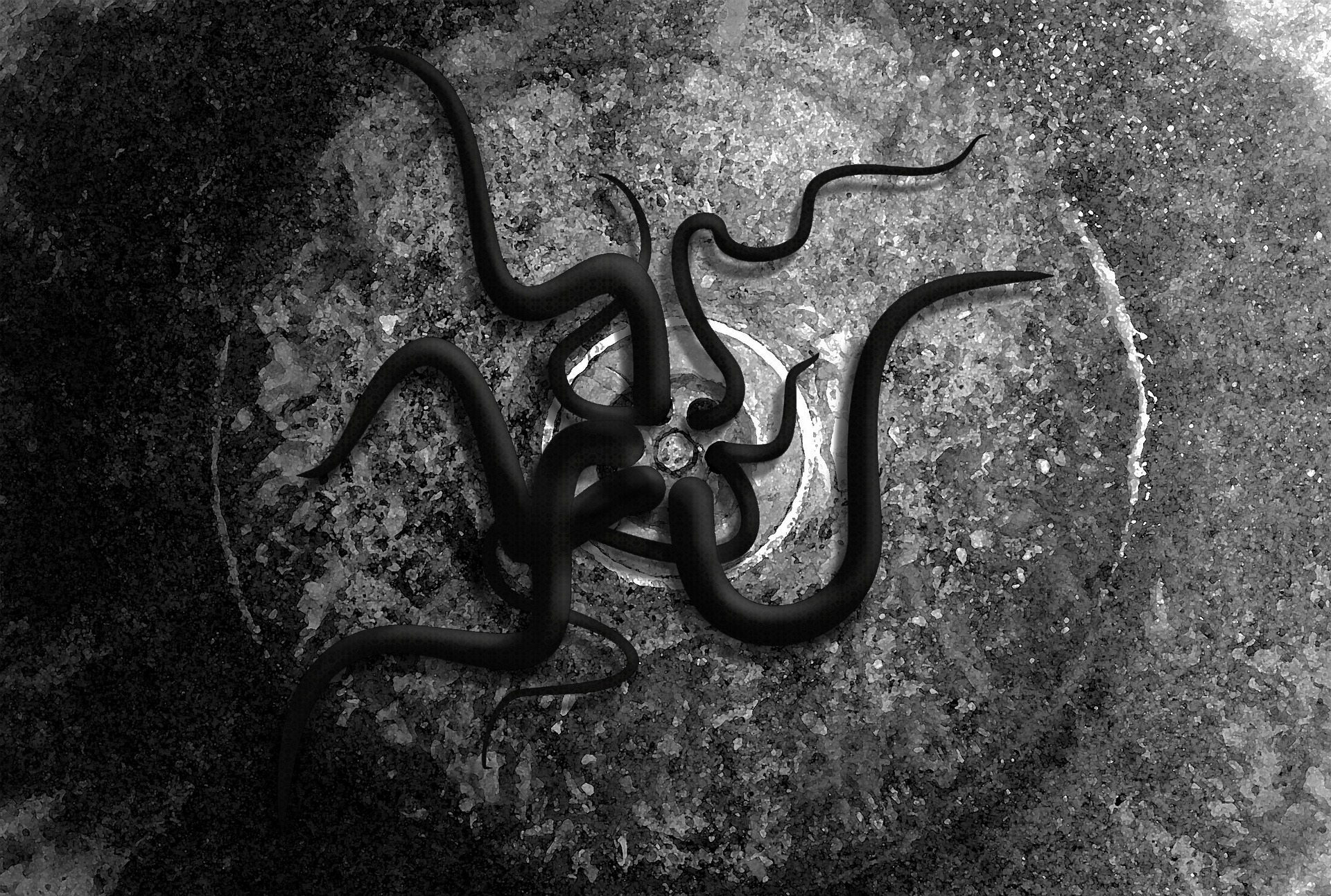
You fools you... wait, are those tentacles?!

As always, if you don't want to miss any of my updates then make sure you subscribe to my weekly newsletter! Also, if you want to help me keep the wheels turning, please consider becoming a Patreon patron. It's how I can afford to keep doing what I do, and even a small donation is a big help!

Spell #1: Obscuring Mist


While this one is an old classic, it doesn't get nearly as much love as I think it deserves... at least partially because it really needs particular party abilities/equipment to make the best use of, as I mention in my Batman character conversion guide.

What makes obscuring mist so great? Well, it creates a 20-foot radius cloud of fog centered on you, which makes it impossible to see beyond 5 feet in any direction. While this fog can be dispersed by strong wind, or blasted away by fire, there's no spell resistance and no save, which means it makes a fantastic defense against archers, gaze attacks, and basically anything that requires line of sight. The drawbacks are, of course, that it blocks allies as surely as it does enemies, and that it's centered on you rather than a point you designate. And while it lacks the debilitating effects of more advanced fog and cloud spells like stinking cloud, cloudkill, etc., it's a great defensive spell to keep on hand in a lower-level slot.

To really get the most out of this (and other fog spells), you really need some way to see the enemy while they can't see you. Whether it's with inherent abilities like smog sight (available to half orcs), class features like a blinded oracle's increased senses, or magic items like fogcutter lenses or a goz mask, the ability to shroud the party in a mist so they can fight from cover while the enemy is blinded is a one-two punch that can create absolute mayhem. It won't work on all enemies, obviously, as many of them have tremor sense, blindsight, etc., but it can be an encounter killer against things that rely on their eyes, and don't have gust of wind or fireball prepared.

Spell #2: Entangle


There are few spells that have ruined as many days in my campaigns as entangle. Whether it was a mass of melee brutes getting ready to charge in, a squad of archers who thought they were safe, or a spellcaster hanging back to stay out of harm's way, this spell always ruins their day. Anything that restricts enemy movement while leaving your allies free to position themselves can be a dramatic shift in balance. And while this spell may lose efficacy as you go up in levels (especially against larger, more physical monsters who are tougher to hold), it always remains useful for larger battles against smaller enemies, or handling minions so they can't get in and gum up the works.

In addition to the base spell, which is first level, there's also sickening entanglement, which adds a status effect to those caught in the area, and thorny entanglement which gives the area the ability to fling rather damaging thorns at those who are outside the affected area, in addition to harming those within it. These spells are 2nd and 3rd level respectively, and they can add extra punch as the party fights bigger threats.

Spell #3: Grease


I heard no end of complaining when Pathfinder specifically stated that the grease from this spell is not flammable. However, I think far too many people were caught up in how they couldn't deal damage with this spell, and forgot about the utility of it in other circumstances.

Because for a first level spell, grease is a nasty thing to throw down. It lasts minutes per level, covers a 10-foot square, and anything in it when it shows up has to immediately pass the Reflex save or fall down. Being prone means you're at a negative to attack, and everyone around you gets a bonus to stomp you in melee. Additionally, grease means that anyone trying to move quickly through an area risks taking a tumble, so even fast-moving enemies won't be able to just jet around the battlefield without consequences. Also, it ignores SR, which can make it particularly handy for those pesky golem fights.

The secondary benefit of grease, of course, you can attempt to cast it on items. This means you could use it to try to make the enemy drop their weapon or a wand, but you can also slap it onto allies dealing with grapple-happy foes, since greased armor provides a +10 circumstance bonus on escape artist and CMB attempts to escape a grapple, and boosts one's CMD by 10 to avoid being grappled again. A solid, low-level utility spell that is best cast by you, but which can be put into a wand if your main use is going to be boosting your allies' defenses instead of hampering your foes. There's also a greater grease option, which allows you to coat more objects, or to cover more squares, which can add make a good spell even better!

Spell #4: Web


A spell that has vexed several GMs who've had me at their tables, web is a nasty piece of work if you have the right terrain. Whether you're holding a bridge against an advancing force of undead, or there's creatures coming down a hallway in a dungeon, or even a decent-sized chasm you need to cross, web can be a particularly useful spell... both for detaining enemies, but also for setting them on fire if you want to let them out.

While other useful iterations include web bolt for individual targets, or web cloud for a much larger area of effect, web also has the benefit that it creates difficult terrain, and lasts for a very long time. While it won't be useful against giant spiders, incorporeal creatures, fire-based creatures, and a host of other challenges, there's still plenty of reason to keep this spell up your sleeve if you want to catch your share of flies as the game goes on.

Spell #5: Create Pit


There are few things as satisfying as just dropping your enemies down a hole and leaving them there, and doubly satisfying if the barbarian has bull rush, or you have a spell like hydraulic push to shove even more foes in. That's why if you need to create a hazard in a hurry there are few funnier ways to do it than create pit. While it likely won't kill most things that fall into it (since it only goes down to 30 feet), it can quickly handle all sorts of things you don't want to deal with in the heat of the moment. It can also block off escape routes, or at the very least make them significantly more dangerous to take. Even better there are other varieties of this spell like roaming pit, which moves around sucking down enemies, acid pit, and hungry pit.

As with all the other spells, this one has its weaknesses as well. Creatures who can fly, who are too large, or who have high enough Reflex saves not to worry about falling in, tend to have no issue with pit spells. However, creatures that need to stand on their own two feet, who aren't too big to fit, and who aren't the most dexterous are going to find this a significant challenge to overcome. And while these spells don't last as long as most others on this list, they can be quite useful to keep on-deck for when you need to mess with a ground-based foe.

One Last Thing Before You Go...


For folks who may not have come across it yet, I've been doing something a little different with my Table Talk feature. The last 2 installments have been featured over on Vocal instead of here on Improved Initiative. And while That One Time My Bard Made The Dungeon Master's Girlfriend Jealous did pretty well in terms of views and shares, I wanted to draw folks' attention to the latest installment... The Silver Raven Chronicles Part One: Devil's Night.

What makes the Silver Raven Chronicles different from my previous Table Talk features is that instead of giving a session-by-session breakdown of how the campaign went, I'm writing a series of short stories that encapsulate the high notes of the game as it unfolds. My hope is to convey the narrative, while minimizing the time we spent on combat grind, dead-end chases, and digressions that happen in every campaign in order to present a tight, tasty, and engaging view of how the Thrice-Damned House of Thrune is going to get itself a black eye at the hands of our party.

So if you're a fan of my fiction, you just want to support my work, or you're a fan of punching fantasy fascists, then you're definitely going to want to give this a look!

Like, Share, and Follow For More!


That's all for this week's Crunch topic! For more of my work, check out my Vocal archive, and stop by the YouTube channel Dungeon Keeper Radio! Or if you'd like to read some of my books, like my alley cat noir novel Marked Territory, my sword and sorcery novel Crier's Knife or my latest short story collection The Rejects, head over to My Amazon Author Page!

To stay on top of all my latest releases, follow me on FacebookTumblrTwitter, and now on Pinterest as well! And if you'd like to help support me and my work, consider Buying Me A Ko-Fi or heading over to The Literary Mercenary's Patreon page to become a regular, monthly patron! Even a little bit of help can go a long way, trust me on that one.

Saturday, August 14, 2021

Don't Underestimate The Power of Battlefield Control Spells (in Pathfinder)

As I said back in Vulgar Displays of Power: Tips For Getting The Most Out of Your Magic in Pathfinder, sometimes the best spells to defeat an encounter won't do a single hit point of damage. Whether it's spells like haste, which allow the fighter and barbarian to crank out additional attacks and obscene amounts of damage, ray of enfeeblement which can leave a powerful foe sluggish and weak when they would otherwise have been a dire threat, or summon monster when you need temporary allies to help stem the tide of foes rushing toward the party, strategic use of magic is often what carries the day.

There is a particular kind of spell that doesn't get enough love in my view, though. Spells which can seem cumbersome and difficult to manage, but in the hands of a tactical player they can make all the difference. These spells are commonly referred to as battlefield control magics.

You should have surrendered. It would have been easier on all of us.

As always, before we really get into it, don't forget to sign up for my weekly newsletter, and if you've got a little extra dosh you'd like to donate to help me keep the wheels turning, please consider becoming a Patreon patron! It really makes a big difference.

What is Battlefield Control?


Since terminology can get confusing, a battlefield control spell is, generally speaking, any spell you cast that alters the battlefield. These spells typically alter terrain, create new hazards, or throw up boundaries that can be used to protect allies, reduce an enemy's mobility, and to generally shift the balance of how an encounter is going.

Examples generally work best, though, so here's a simple scenario to keep in mind.

The party is engaged in a battle in an opera house. Cultists with swords are fighting the party down on the stage, but they have allies up in one of the box seats who are firing crossbows down at the party. The swordsmen are a threat, but it's really the bolts that are causing the most harm. So the wizard, thinking quickly, casts wind wall. The wind wall blocks the crossbowmen's line of fire completely, rendering them a non-issue until they move to a new position, which could take several rounds. In that time the rest of the party can focus on the swordsmen, eliminate them as a threat, and then focus on a new enemy.

Just let me adjust this challenge a bit...

Whether you cast darkness so that your party has at least partial concealment from enemies that can't see in the dark, or create pit in a narrow hallway so that enemies don't have the ability to retreat without leaping over a chasm, battlefield control spells allow you to adjust the encounter so as to give your allies advantages and protection by altering the environment around them.

And it's not easy to do... but once you have the proper mindset, you can often tilt a battle with a snap of your fingers and a single, spoken word.

Tips For Getting The Most Out of Your Battlefield Control


The core concept of battlefield control spells (creating obstacles for your foes and benefits for your allies) is pretty simple. However, the same could be said when it comes to describing the basic mechanics of chess, and that doesn't mean it's an easy game to win. Which is why I'd recommend keeping the following in mind when it comes to choosing the best battlefield control spells for your party and your particular campaign.

- First, know your party members. Certain battlefield control spells are going to impact your party just as negatively as your enemies, so you need to be aware of what everyone's capabilities are. If the whole party has darkvision, for example, then darkness can be a great card to have up your sleeve for making sure the enemies are taking miss chances when they attack you. If only one or two party members can see in the dark, though, then everyone else is going to have problems. Obscuring mist is another good example, because unless the rest of the party can see what's happening (an oracle with blindsight, a rogue with fogcutter lenses, a cleric in a goz mask, etc.) then the cloud hampers you and your allies as surely as it does the enemies. This doesn't make it useless, but it does narrow its use significantly.

- Secondly, know the enemies you face. As with the darkness example, if your enemies all have darkvision then the spell doesn't actually help anyone. If you're fighting a dragon and you use obscuring mist to hide from it, its dragon senses will still allow it to pinpoint any nearby party members. Wind wall won't block spells or hurled boulders. Just as you need to know what won't hamper your party, you need to have some idea of your enemies' capabilities so that you can create effects that are actually obstacles to them. Otherwise you'll just be blowing through spells that aren't having an effect.

- Thirdly, consider the actions being taken, and the flow of combat. Throwing up a wall spell to block off a doorway is a great trick to have if a foe tries to escape, but you don't want to brick up the route prematurely in case your party members want to use it, or allies are trapped back there and can't join the fray. Additionally, throwing down pits might hamper ground-based foes who depend on melee, but if they can fly, or fire from further away, those same pits can be a problem for your allies. Don't just look at something in terms of whether it's a good move in this exact moment; ask how it will affect an encounter going forward.

- Fourth, and final for this list, remember that battlefield control spells are often there to waste an enemy's time, energy, and effort. If you throw up a wall, and half a dozen enemies have to spend their turns going over or around it in order to reach the party/to get new lines of effect so they can resume the attack, it can feel like you wasted your action. However, what you actually did was use your one turn to force multiple enemies to reposition themselves, buying your allies time. Because even if some enemies don't slip in your grease spell, or fall into your pit, the fact that the hazard is there means it's complicating the enemy's actions... and that's your job. Being the spanner in the enemy's battle plans.

Further Reading For Spellcasters


If you're a player who's looking to branch out with your spellcasters in Pathfinder, then consider some of the following reading to hit on the RP side of things, as well as the mechanics side!

- 10 Backgrounds For Your Spellcasters: Part of a short series I worked on, this list in particular is there to remind folks that just because you're a wizard, a sorcerer, a cleric, etc., that doesn't need to be all of what your character is. Flesh them out, and provide some context in order to make your character more memorable!

- 5 Tips For Playing Better Wizards: My 5 Tips series has been going on for a while, and I've tried to offer unique tips for as many classes as I can. If wizards aren't your thing, though, I've also covered sorcerers, clerics, bards, druids, alchemists, inquisitors, oracles, witches, summoners, and more!

Like, Share, and Follow For More!


That's all for this week's Crunch topic! For more of my work, check out my Vocal archive, and stop by the YouTube channel Dungeon Keeper Radio! Or if you'd like to read some of my books, like my alley cat noir novel Marked Territory, my sword and sorcery novel Crier's Knife or my latest short story collection The Rejects, head over to My Amazon Author Page!

To stay on top of all my latest releases, follow me on FacebookTumblrTwitter, and now on Pinterest as well! And if you'd like to help support me and my work, consider Buying Me A Ko-Fi or heading over to The Literary Mercenary's Patreon page to become a regular, monthly patron! Even a little bit of help can go a long way, trust me on that one.