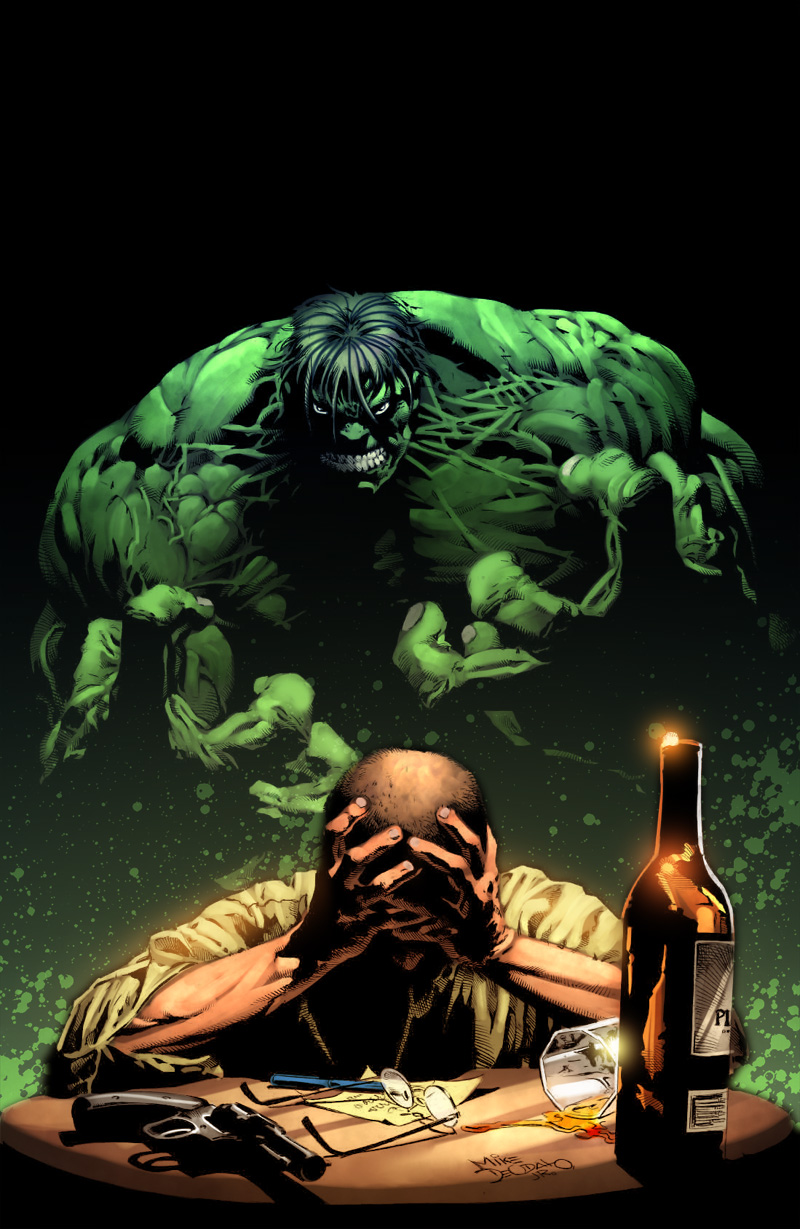
Showing posts with label style. Show all posts

Monday, April 25, 2022

River Games, Somewhere Between The Sandbox and The Railroad

In the eternal debate between Game Masters regarding the ultimate style, there are two major camps; sandboxes and railroads. Either you have an entire world set up and waiting for your players to explore at their own pace, or you have a tightly-plotted story that will run on time to get where you want it to go.

However, anyone who's sat in the big chair long enough knows that it's rare for any game to be entirely one of these things, or entirely the other. Even the most unstructured sandbox is going to have some plots happening apace, and even the most streamlined railroad is going to have layovers and stops for side quests. So what might be more useful is the term river plotting.

We'll get there when we get there!

Before we get into it this week, don't forget to sign up for my weekly newsletter to get all my updates right in your inbox. Also, if you've got a bit of spare cash that you'd like to use to help keep the wheels turning, consider becoming a Patreon patron!

Lastly, to be sure you're following all of my followables, check out my LinkTree!

What is a River Style Game Master?


The idea behind a river style game was proposed by MerionLial on the RPG subreddit (link to the original post). In short, this setup proposes thinking about games in a different way than we usually do, where they're either all structure or all freedom.

There is room between these extremes, however.

When thinking about a river style game there are certain aspects that are fixed, and certain aspects that are in free flow. A river game has a fixed starting point, which is the source of the game (a beginning event, a starting conflict, or something else that operates as the wellspring of the story). It also has an ocean that it's trying to get to (which represents the eventual end of the game, and what players are all trying to achieve). In between the beginning and the end, though, the river might form lakes (representing downtime arcs), branch off into tributaries (which best represent side quests and additional story hooks), and the river could even change direction dramatically before it gets where it's going (the party ends up working for the campaign's final boss for a time).

This allows us to think of our games not as either a set of railroad tracks we walk straight down, or as a big, sprawling expanse where the players make their own fun. More importantly, though, this operates as a useful middle ground for GMs who find themselves on either of the extremes. If you're more of a sandbox GM, then a river setup allows you to create some fixed points while still keeping the freedom in the middle. If you're a railroad GM, this allows you to focus more on what your players are doing instead of managing the specifics of how they're going to do it. The river moves toward the ocean, and you'll get where you're going sooner or later.

For more GM advice, consider checking out the following supplements!

- 100 Tips and Tricks For Being a Better Game Master: This one is basically what it says on the tin. Whether you're new or experienced, there's going to be at least a few tips in here for you!

- 100 Superstitions For a Fantasy Setting: One of my more popular pieces, this is particularly useful for Game Masters who want to add a little bit of interesting flavor into their worlds.

- A Baker's Dozen of Pieces of Lore: If your setting needs a little extra lore, whether it's to use as a jumping off point for a side quest or just to fill in the background, this supplement has you covered!

Like, Follow, and Stay in Touch!


That's all for this week's Moon Pope Monday. To stay on top of all my content and releases, make sure you subscribe to my newsletter at the bottom of the page!

Again, for more of my work, check out my Vocal archive, and stop by the YouTube channel Dungeon Keeper Radio. Or if you'd prefer to read some of my books, like my cat noir thriller Marked Territory, its sequel Painted Cats, my sword and sorcery novel Crier's Knife or my latest short story collection The Rejects, then head over to My Amazon Author Page!

To stay on top of all my latest releases, follow me on FacebookTumblrTwitter, and now Pinterest as well! To support my work, consider Buying Me a Ko-Fi, or heading to The Literary Mercenary's Patreon page to become a regular, monthly patron. That one helps ensure you get more Improved Initiative, and it means you'll get my regular, monthly giveaways as a bonus!

Saturday, February 26, 2022

"Casters Versus Martials" is Really Just "Toolboxes Versus Hammers"

Perhaps one of the oldest debates in RPGs is the caster versus martials debate. Wizard or fighter? Sorcerer or barbarian? At the end of the day, though, I feel like entirely too many people who want to have this debate are talking past one another rather than actually discussing the same thing. So I wanted to take this week's Crunch topic to weigh in on what I would like to rename the Toolbox Versus the Hammer.

Because I think this actually gets us a lot closer to what is at the heart of a lot of these (sometimes quite heated) discussions.
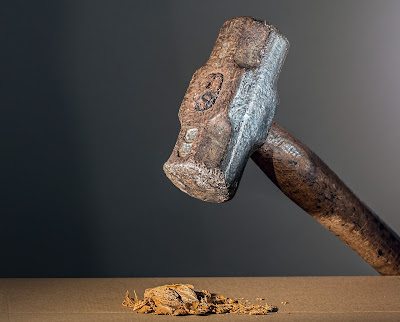
And remember, both are quite useful.

Before we get into the nitty gritty this week, don't forget to sign up for my weekly newsletter to get all my updates right in your inbox. Also, if you've got a bit of spare cash that you'd like to use to help keep the wheels turning, consider becoming a Patreon patron!

Lastly, to be sure you're following all of my followables, check out my LinkTree!

Flexibility Versus Reliability


Before we get too deep into things, I have played through a variety of characters on all sides of these arguments, as well as middle ground concepts like paladins, rangers, magi, etc. who combine the martial and the magical. With that said, I do have a noted preference for brutes, bruisers, and bludgeoners. However, when people hold up full caster classes as "god tier" options for character power level, and treat martial characters without magic as sub-optimal choices hardly worth considering, I find that it's usually because of two major differences.

The first is player philosophy. The second is player goals and ideals, which may or may not be in-line with the goals and ideals of the plot and the game. But we'll get into that.

Let's begin at the beginning, shall we?

The most common reason I've seen people argue that spellcasters are inherently better choices for characters in terms of mechanical advantages is that they have more options; more tools they can bring to the game. A wizard, sorcerer, or cleric, properly equipped, can often overcome problems with a wave of their hand, and a whispered word. The guards don't want to let the party in? A simple enchantment spell can make you their best friend for a little while, or leave them staring off into space while you just walk by. The next stage of the journey is atop a sheer cliff? A spell can easily fly one up there, allowing them to keep progressing with minimal interruption. And if a creature proves hostile, well, there's always a lightning bolt to reduce them to ash.

Now, having both watched and played the utility caster who acts as the party's Swiss army knife, I am not hating on this path. It is astonishingly convenient for all concerned to have a wizard who can magic away problems so that you can progress. It is the flexible solution, allowing you to subtly alter the rules of a given situation so that you can more forward.

However, as a counterpoint, magic is not a reliable solution. This is something that I always keep foremost in my mind as a player, and it is something that I feel entirely too many folks forget when they settle down at the table.
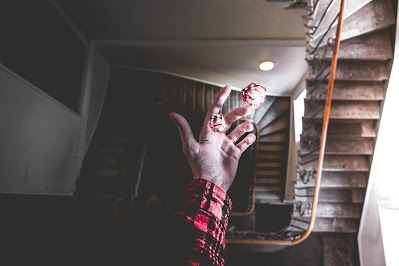
There's a six on each of these dice... just need them both to come up!

Magic, as a solution, has inherent weaknesses that can undermine its usefulness as a tool. For example, a lot of spells give their target a saving throw, and often that means the target walks away unscathed if they make it. There are entire creature types that are immune to certain kinds of spells and effects, and there are a lot of creatures with inherent resistances to spells (in Pathfinder, at least, this doesn't apply as much to the 5E players reading this). Not only that, but a given character only has so many spell slots per day, and they need to have the proper number of the proper spells available to cast. Lastly, an aspect that's often forgotten, spellcasters need to have the proper materials and focuses in order to make their magic work; if these materials are lost, stolen, destroyed, etc., they're rendered powerless. Spells have specific durations, as well, and if you use them too soon they'll wear off before they're needed. On the other hand, if you wait till you're in the thick of danger, you may have to choose between which spells are going to be most effective, finding you're hampered by action economy. Then there's the usual issue with anti-magic fields that always seem to crop up when they're most inconvenient.

Now, none of that is to say that magic isn't useful, or that you can't solve problems with it. That was merely to show that it is not a blanket solution that always succeeds... especially since magic is a limited resource. You can only cast so many spells of each level per day before you're tapped out.

The abilities of martial characters, on the other hand, tend to be far more reliable. The fighter's feats don't run out, the barbarian's damage reduction is always there, and while they might not be a strictly martial class, a rogue's sneak attack is always going to be effective in bringing a target down. Any martial character could just as easily solve the issues mentioned above, as well. The guard doesn't want to let the party pass? Perhaps the charismatic fighter manages to bribe them, using Diplomacy to defuse the situation. It's possible the barbarian swings their reputation around, making an Intimidate check to get the guard to step aside. Or the rogue just knifes them, or uses a poison to render the guard unconscious or dead, allowing the party to walk on past.

There's a mundane solution to most issues in a game. Because yes, you can cast knock, but you can also just pick the lock, or bash down the door. You could fly up a sheer cliff, or onto the roof of an enemy stronghold, but you could also just climb up there, possibly with the aid of a rope and a grappling hook. You can make yourself invisible to avoid detection, that's true, but a decent Stealth roll can do wonders for you. And unlike with magic, these mundane solutions usually don't have built-in limitations on how often you can use them to solve a problem, nor is there a save to resist them. You can Intimidate one guard, or 5, or 10 as need be. You can huck that grappling hook as many times as you need to, and you can haul yourself up an entire mountain hand-over-hand if the need arises. You can pick every lock you come across, if you so desire, and never once worry about needing to rest to regain your daily uses.

The drawback for most martial characters is, of course, they are more limited in the resources they can swing around. As a result they tend to be very good at a select few things, but those select few things don't require them to have a spell component pouch, to worry about anti-magic fields, spell resistance, or saving throws. They just have to hit the target, or beat the DC. But the flip side of this is that you may find yourself trying to solve a delicate problem with a blunt instrument, because when you're a hammer that's the tool you brought to the game.

White Room Power Play


The second part of this debate is one I honestly find odd, but it's something I run into time and time again so I thought I'd comment on it. Now, "white rooming" is when you set up an ideal situation where you have all the time, resources, and preparation you need to achieve a specific thing. Basically it's the RPG equivalent of asking what Batman could accomplish if you gave him a challenge, and enough time to build a specific solution to overcome it.

And things can get rather out-of-hand when it comes to what you can do with spellcasters in a lot of games. From an archmage creating their own demiplane, to clerics creating an army of undead minions, to a sorcerer crafting enchanted items powerful enough to shake the foundation of the setting, these are sometimes held to the gold standard of what the possibilities are of a particular character.

Phenomenal cosmic power!

Sure, that's neat if that's the story you want to tell. However, most of the time accomplishing these things will require massive hoards of treasure in costly spell components, months-to-years of in-game time to complete, and for a character to achieve extremely high levels just to gain access to the spells in question... which are all rather extreme limitations in your average campaign.

This is my way of saying sure, you'll be able to do that eventually, but it likely isn't going to affect the campaign we're actually playing in because you don't have the time, resources, and power you'd need to accomplish those goals.

This is where we get into player goals versus game goals. Because if you're in a game you might have the stated goal of, "Stop the lich king from rising," or, "End the war between these two nations." And if a player wants to uncover the eldritch secrets to folding reality in order to make their own private plane of existence where time stands still, that's cool... but how does that solve the problem of the campaign? More to the point, if the campaign is set to end at level 13-14, but the spellcaster needs to be level 17 before they can even begin to accomplish this goal, it's all epilogue that's out of the realm of the here and now. It would be no different than saying the barbarian became king of his own border nation, or the monk achieved inner perfection and rose to the position of a demigod; it wasn't a part of the campaign, so it's just a part of your personal story and narrative.

To be clear, this is not to knock anyone's preferred storytelling flavor or fun. If that's the kind of narrative that gets your wheels turning, and you enjoy telling the story of just how your character eventually achieved that goal (along with the spreadsheet of how you did it once the campaign was over), then more power to you. However, that kind of setup may do nothing for other players, who get far more excited about the idea of burying an ax in a demon lord's skull, or eventually worming their way into the position of Master of Whispers in a shadowy spy network.

It's just important to remember that if you're comparing toolkits that you need to look at the game in question. Because if this plot is going to benefit from the use of a Hammer, then it's important to have at least one big, ugly sledge at the table.

Check Out Some Gaming Stories!


For folks who haven't been keeping up on my recent changes, I've been largely hosting my Table Talk feature on Vocal, rather than here on Improved Initiative. I talked about this a bit ago in You're Not Missing My Updates (They're Over on Vocal). The short version is that Vocal pays a lot more than my blog does, and I'm trying to capitalize on that as much as I can... but it's tough getting eyeballs and fighting the algorithm. So take a moment to check out some of the following pieces!


Any reads and shares are much appreciated. And, of course, the more traction particular articles get, the more likely it is I'll write more like them in the future. So if you see something you like, help me spread the word on it!

Like, Share, and Follow For More!


That's all for this week's Crunch topic! For more of my work, check out my Vocal archive, and stop by the YouTube channel Dungeon Keeper Radio! Or if you'd like to read some of my books, like my alley cat noir novel Marked Territory, my sword and sorcery novel Crier's Knife or my latest short story collection The Rejects, head over to My Amazon Author Page!

To stay on top of all my latest releases, follow me on FacebookTumblrTwitter, and now on Pinterest as well! And if you'd like to help support me and my work, consider Buying Me A Ko-Fi or heading over to The Literary Mercenary's Patreon page to become a regular, monthly patron! Even a little bit of help can go a long way, trust me on that one.

Monday, November 15, 2021

Who Cares If Your Character is Cringey, Silly, or Basic? Play It Anyway!

For people who have never met me in person, I have a very particular look I tend to go for. From my combat boots, to my army surplus field jacket, to my beret and belt pouches, to the patches, pins, and innumerable numbers of skulls, I've often been mistaken for someone in cosplay at conventions. I have since been informed that this fashion choice is referred to as Warcore, and it is something I've embraced wholeheartedly. While it sometimes causes me minor issues (see my article I Was Never In The Military. Please Stop Thanking Me For My Service), it's both practical and aesthetically pleasing to me.

I also got sexy new masks for con season!

When I was younger I occasionally had people ask me why I chose to wear BDUs, or why I bloused my pants into my boots, or why I had a purse on my belt. Those questions became fewer and fewer as I got older, and the opinions of random strangers mattered to me less and less. Now during the time of Covid I've become the strange, wasteland wanderer that I always read about in comic books and saw in post-apocalyptic films.

What does that have to do with RPGs, though?

In short, a lot of us get self-conscious about the characters we bring to a table. We worry about whether a concept is too derivative, or too edgy, or too dark, or too silly, or too whatever. So we play something acceptable, or which has an element or two of what we want, but is really a watered-down imitation of what we would like to do. Like how a lot of us will wear something fun underneath our business casual when we go to the office, but we lack the confidence to show up with a cloak over our shoulders.

This week I wanted to deliver a clear message. RPGs are the playground of your imagination... go wild on that shit!

As always, subscribe to my weekly newsletter so you don't miss anything! And if you want to help oil the wheels so I can keep delivering you content like this then become a Patreon patron! Seriously, even small donations can make a big difference.

Seriously... Why Are You Trying To Be Normal?


I want to start this with a caveat; I am not suggesting that people reading this go and play a monkey wrench (a character who deliberately does not fit into the game everyone else is trying to play). Your character has to follow all the agreed-upon rules of the game, and they should still fit the agreed-upon tone and theme of the campaign you're playing. Don't bring a thunderously grim concept to a light-hearted game, and don't try to shoehorn in a happy-go-lucky concept into a game that's meant to be dark and serious. Don't try to bring in themes and topics that will make the table uncomfortable, or that people don't want to be part of. Don't bring characters who weigh down the party while making everyone else work harder.

With that out of the way... you should go absolutely nuts when it comes to what you want to bring to the table!

Seriously... sky's the limit!

RPGs are meant to tell stories, but more importantly they're meant to tell our stories. If you want to play an old-fashioned knight in shining armor as a paladin who is Disney hero levels of uncomplicated, that doesn't make you a bad gamer. If you want to play a dull-witted bruiser barbarian complete with Hulk-speak (or who is actually the Hulk if you follow my conversion guide), you shouldn't feel that you're being lazy if you're having fun. If you want a ranger with murdered parents and a vengeance-flavored chip on their shoulder, have a blast with it! A good-hearted member of a traditionally monstrous species who's out looking to prove themselves? Go for it!

Too often we look at the characters we want to play (thematically, at least), and we tone them down or change them because we think this or that concept is too immature. Or it's been done too many times. Or it's too similar to something that already exists in a different game, or a piece of pop culture, or whatever. Whether it's skull-painted vigilante with a full-auto crossbow, or a literal magical princess with animal friends and an enchanted voice, we tell ourselves that we shouldn't play these characters.

As someone who has had a lifelong love of grimdark characters, bleak settings, and harsh storylines, which are all things that get me the side-eye from people who consider those the ear-marks of an underdeveloped gamer, I'm here to tell you to free yourself from this judgment. Don't ask whether something is too immature, or has been played too many times, or is too silly or edgy for you to be allowed to have fun with. Instead, talk with your GM (and your fellow players if necessary), strap on that brace of daggers, and play that "ridiculous" character that would make you happiest to put on the tabletop!

And if you need character conversions for folks from John Wick, to Iron Man, to Ghost Rider and more, don't forget to check out my Character Conversions page before you go!

Like, Follow, and Stay in Touch!


That's all for this week's Fluff post!

For more of my work, check out my Vocal archive, and stop by the YouTube channel Dungeon Keeper Radio. Or if you'd prefer to read some of my books, like my alley cat thriller Marked Territory, it's sequel Painted Cats, my sword and sorcery novel Crier's Knife or my recent short story collection The Rejects, then head over to My Amazon Author Page!

To stay on top of all my latest releases, follow me on FacebookTumblrTwitter, and now Pinterest as well! To support my work, consider Buying Me a Ko-Fi, or heading to The Literary Mercenary's Patreon page to become a regular, monthly patron. That one helps ensure you get more Improved Initiative, and it means you'll get my regular, monthly giveaways as a bonus!

Monday, January 20, 2020

Check Out Karol B Clothing and Costuming (You Won't Regret It)

If you're a regular reader, then there's a chance you remember the last time I talked about Karol B in Post-Apocalyptic LARP Accessories That Won't Break The Bank? Check Out Karol B! However, that post went up three years and change ago, and Karol has been doing a lot of growing since then. So I figured I'd take a moment to remind my readers that he's around, and to sing a few praises for the stuff he's been putting out since we last checked in.

Tactical leg bags are still here, and better than ever!
Also, if you're one of the folks out there who finds themselves involved in a lot of live-action games, then you may find the following links useful as well:

- 5 (Specific) Costuming Tips For Your Next LARP
- 5 Tips To Get The Most Out of Your Next LARP

Anyway, back to Karol B!

Same Great Gear, With New Additions


 Back when I first preached the good word of Karol B, I specifically pointed out the tough, post-apocalyptic backpack designs he offers, along with the badass patches (Immortan Joe's mark being one of my personal favorites). However, there have been some additions since those days that are worth your attention.

Witness me!
One of the big additions recently has been the leather bandoliers. Stock varies, but some are meant to hold altoids-style items, others are traditional cartridge belts, and every now and again there are wrist bracers with cartridge loops in them. A great bargain if you catch them while they're in stock. For those who have bigger budgets, items like the spiked leather shoulder holster bag, or the double-hooded wanderer coat are ideal additions to any character that can be used over and over again.

While there are more regular items available on the site now (and a wider array of unusual items that come and go as Karol finds and sells them), one thing remains true of the stock in general. No matter what your budget happens to be, Karol B has stuff that will fit your needs.

Also, for the record, I'm not making any affiliate earnings off these links. I'm not getting a kickback from Karol B, and I'm not even getting a discount on my next purchase from the site. This recommendation is just me trying to boost the signal for a merchant that I feel has a solid product, and which more folks should know about.

Like, Follow, and Stay in Touch!


That's all for this week's Moon Pope Monday. Hopefully you enjoyed!

For more of my work, check out my Vocal archive, and stop by the YouTube channel Dungeon Keeper Radio. Or if you'd prefer to read some of my books, like my sword and sorcery novel Crier's Knife or my latest short story collection The Rejects, then head over to My Amazon Author Page!

To stay on top of all my latest releases, follow me on FacebookTumblrTwitter, and now Pinterest as well! To support my work, consider Buying Me a Ko-Fi, or heading to The Literary Mercenary's Patreon page to become a regular, monthly patron. That one helps ensure you get more Improved Initiative, and it means you'll get my regular, monthly giveaways as a bonus!

Saturday, September 21, 2019

Why Does He Do That? (Thinking About Your Character's Habits)

"Why's he doing that?" Jeren asked, nodding his head toward the corner table.

"What?" Kyros asked, glancing where his drinking companion indicated. A dark elf sat in the corner, the hood of his cloak pulled up. His eyes glimmered in the candlelight, and he ran a steel dart through his fingers, walking it from one end of his hand to the other, the sharpened tip flashing.

"That," Jeren said, adding emphasis as if it should be obvious. "Looking all mysterious and playing with that sharp. He think it's scary, or something?"

"He's from the Dark, idiot. The moon is brighter to him than the sun is to us. The fireplace is practically enough to blind him if he's not used to it." Kyros looked at his companion for a moment before sighing, shaking his head, and tossing back the rest of his drink. "And if you'd ever traveled outside this little burgh, you'd know they don't use coins down where he's from. That spider walk is something kids learn to keep their fingers agile. I had to guess, it's probably something he does when he's nervous."

Jeren glanced back at the dark elf, who dabbed at his eyes. Sure enough, they were starting to water. He favored them with a small smile, and nodded.

"Also, he can probably hear us," Kyros said, getting a fresh drink. "So you're aware."


Seriously, how do you see in here? It's so damn BRIGHT!


Some Adventurers Are More Different Than Others


You've probably seen Marvel's Avengers by now, and if you haven't, go watch it. Seriously, it's worth the time, I won't be mad.

Now, if you watch Mark Ruffalo's performance of Bruce Banner, you'll notice that he purposefully shrinks himself down. He keeps his arms close, and often holds his hands together like he's trying not to break anything. If you've ever had a friend who was on the bigger side, these are all mannerisms of someone who is very large, and very strong, who is trying to be careful around delicate things. It shows that, even when he's in his weaker form, Bruce is keenly aware of the power he contains in himself, and that one wrong move might turn this whole thing into the proverbial rampaging bull in a China shop.

Incidentally, I have a Pathfinder conversion for Hulk, for those who are interested.
 
This mannerism makes perfect sense when you track it back to its source, and it's a fun exercise in character building. That's why, when you sit down to make a character, ask yourself why they speak, act, fidget, or believe a certain thing. The answers you find are often surprising, and can make for some fun character moments.

For example, if your character is a gnome, they've had the ability to talk to animals their entire life. It might not even occur to them that other people can't do that, especially if they were raised in communities where magic was common. Does this lead to them being unusually sensitive to the moods of animals around them? Are they confused when people treat nature like a tool, rather than a living thing? Do they have opinions about animals that are wildly different from those held by other races, making them seem like a tiny version of the crocodile hunter?

You can pick almost any racial modifier/ability and apply this kind of logic to it. Elves get a bonus on Perception, for example, but does that also make the world around them unbearably loud beyond the quiet boundaries of deep forests? Is this why an elven character might speak softly, or keep their hood up, providing their sensitive ears some protection against the violence of the louder world? Tieflings and ifrit both have natural fire resistance, so does it feel good for them to drink scalding tea, or to relax into a fire the way other people would enjoy a sauna? Goblins are capable of eating spoiled and rotten meat, but does what smells and tastes putrid to humans instead have a more nuanced palate to this sharp-toothed race? And is a food or fruit humans would find sweet something that tastes rancid to a goblin, their tongues not being built to handle that flavor?

And that's before we get into the weirdness of cultural norms.
 
Even if you're playing a bog-standard human, though, you can find unusual tics, quirks, and attitudes in the cultural norms of where they grew up. Everything from fashion, to forms of address, to food, to language, to little rituals that have clung for life can make them seem odd or strange... and every one of them can add some flavor to who your character is, and why they are they way they are.

As an example, did your character come from a culture with a strong warrior ethic, where even childhood games were meant to make you a canny fighter (such as how the wrestling martial art Glima was sort of a national pastime among the Norsemen)? Alternatively, was your character raised in a communal society where everyone was referred to with familial terms since the whole village raised the next generation? Were weapons seen as a taboo where you came from, or were they to be displayed proudly? Did you pray to the spirits, to the elements, to your ancestors, or to the gods? Do you wash, groom, and comb yourself every day, keeping a razor and comb in a kit on your belt? Or do you go for days, maybe weeks, between full baths without noticing?

Every Habit Started Somewhere


No matter who your character is, they had a life before they show up at the table. If they have a quirk, ask where it came from. Is it something they picked up during their stint with the militia? Was it something their uncle taught them? Or is it just how they deal with having sharper eyes, feeling less pain, or living in a world made of cardboard?

As a note for readers, I cover a lot of aspects like this in articles like 5 Tips For Playing Better Tieflings and Aasimar and 5 Tips For Playing Better Paladins, and I keep the full archive of these tips over on my 5 Tips page. So stop on in, check it out, and see if you find yourself some inspiration!

Like, Follow, and Stay in Touch!


That's all for this week's Fluff post! If you've used this in your games, share a story down in the comments!

For more of my work, check out my Vocal archive, and stop by the YouTube channel Dungeon Keeper Radio. Or if you'd prefer to read some of my books, like my sword and sorcery novel Crier's Knife or my recent short story collection The Rejects, then head over to My Amazon Author Page!

To stay on top of all my latest releases, follow me on FacebookTumblrTwitter, and now Pinterest as well! To support my work, consider Buying Me a Ko-Fi, or heading to The Literary Mercenary's Patreon page to become a regular, monthly patron. That one helps ensure you get more Improved Initiative, and it means you'll get my regular, monthly giveaways as a bonus!